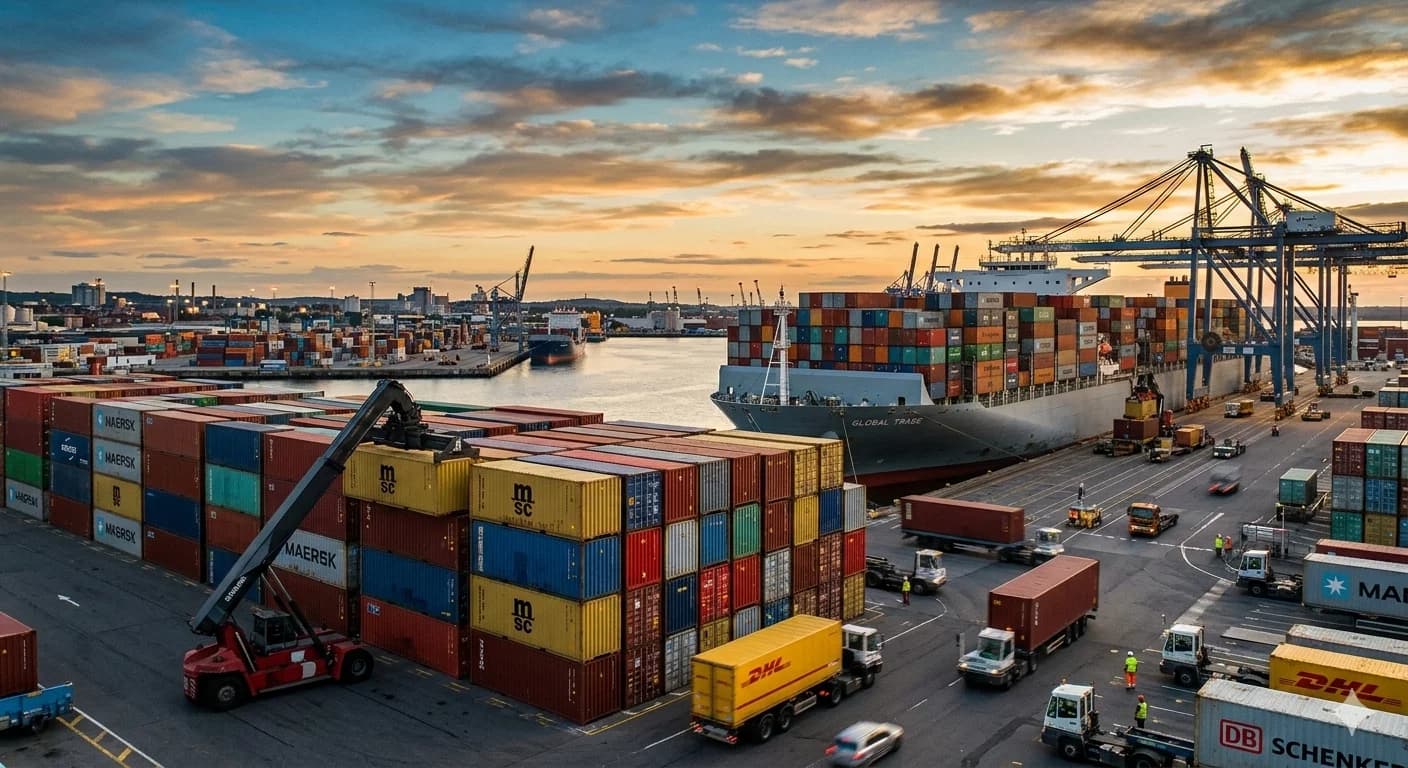
Severe port congestion across Asian hubs is compelling container shipping lines to increasingly utilize the Suez Canal for their Asia-Europe routes. This strategic shift is primarily driven by the need to avoid further delays in congested Asian ports, effectively increasing the operational capacity available on the Asia-Europe trade lane. Consequently, this has contributed to a downward trend in freight rates for shipments destined for Europe.
For freight forwarders and operations managers, this development signifies potential changes in vessel schedules and routing patterns, particularly for services calling at Mediterranean ports. While the increased capacity might offer some relief on rates, the altered schedules could necessitate adjustments in supply chain planning and booking strategies to maintain reliability. Shippers should anticipate potential variations in transit times and port calls as carriers adapt to these new operational realities.
This situation highlights the dynamic nature of global container shipping, where localized disruptions like port congestion can trigger broader adjustments in carrier networks and pricing.