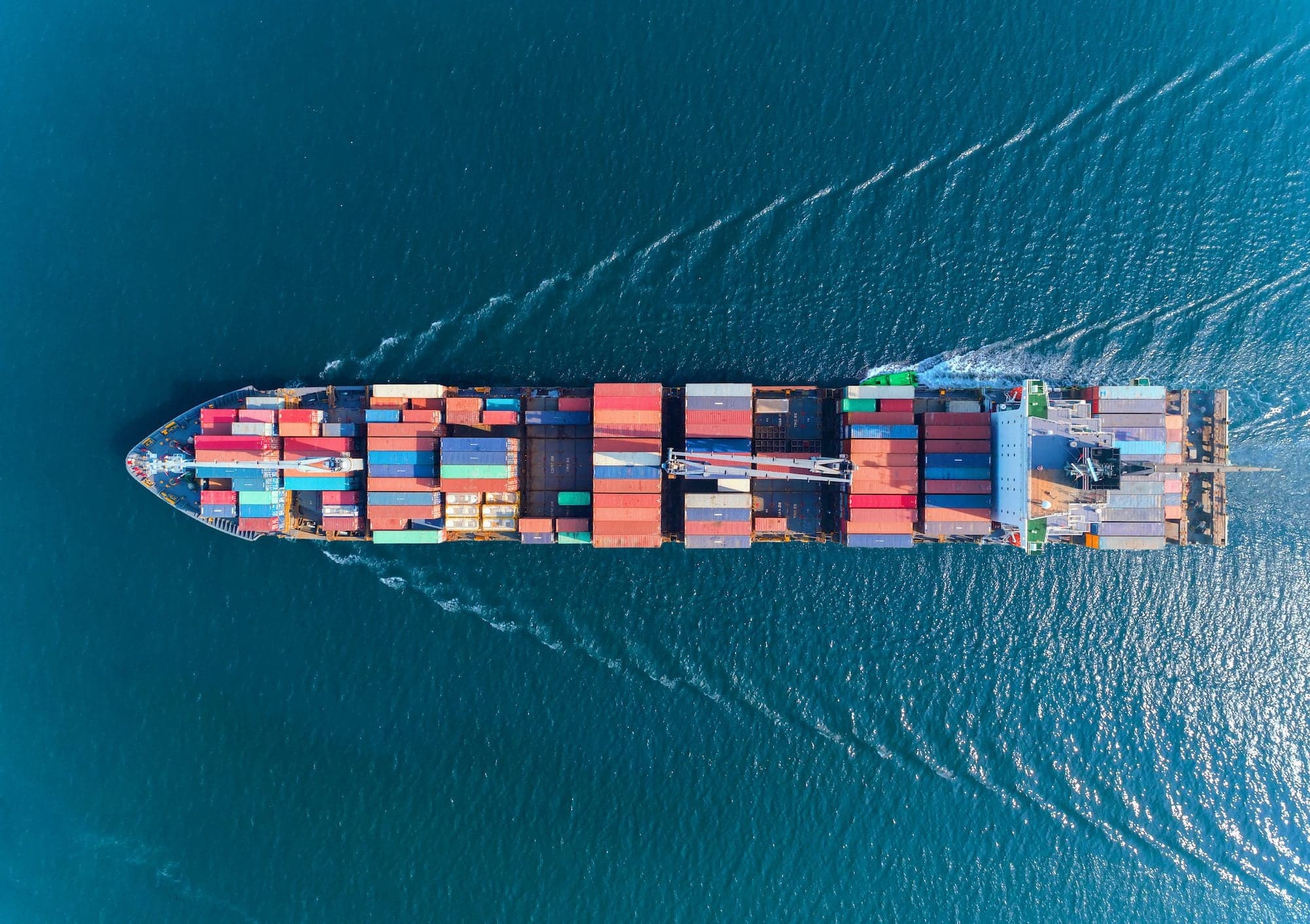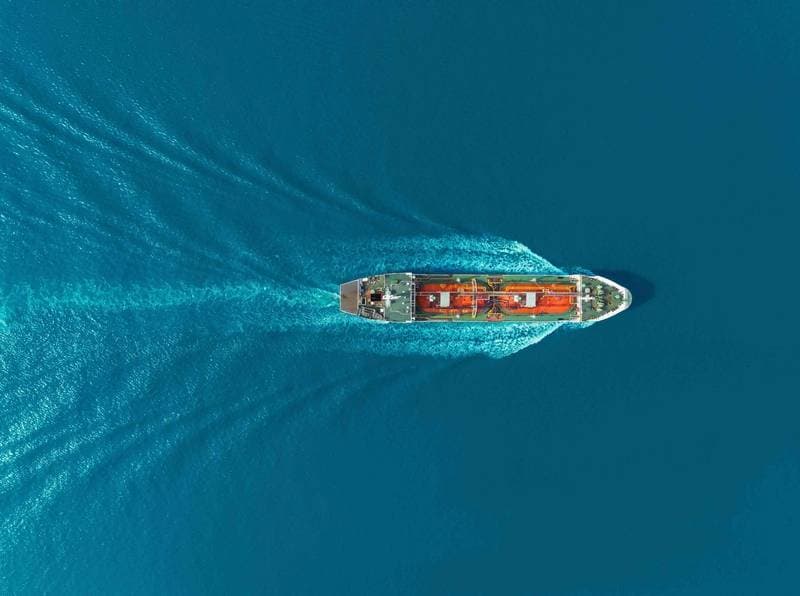
An Iraqi oil tanker, laden with around 2 million barrels of fuel oil, was reportedly struck by a drone while navigating Iraqi territorial waters. This incident occurred on a Wednesday, according to statements from port officials. Concurrently, the UK Maritime Trade Operations (UKMTO), an organization affiliated with the British navy, reported that several other merchant vessels operating in the Gulf region had also sustained hits.
This event unfolds against a backdrop of heightened tensions in the Middle East, particularly between the United States and Iran, which often manifest in proxy actions or direct confrontations impacting maritime shipping lanes. The Gulf is a critical waterway for global oil and gas transport, making any disruption a significant concern for international trade.
For freight forwarders and operations managers, such incidents immediately raise concerns about vessel safety, crew welfare, and the security of cargo transiting the Gulf. This could lead to increased war risk premiums for insurance, potential re-routing of vessels to avoid perceived danger zones, and delays in shipment schedules. Shippers may face higher costs and longer transit times as carriers adjust their operations in response to the elevated threat level. The availability of vessels willing to call at ports in the affected region might also decrease, impacting capacity.
While the source does not specify immediate next steps, continued monitoring of maritime advisories from organizations like UKMTO and the Joint War Committee will be crucial for assessing ongoing risks and making informed operational decisions.