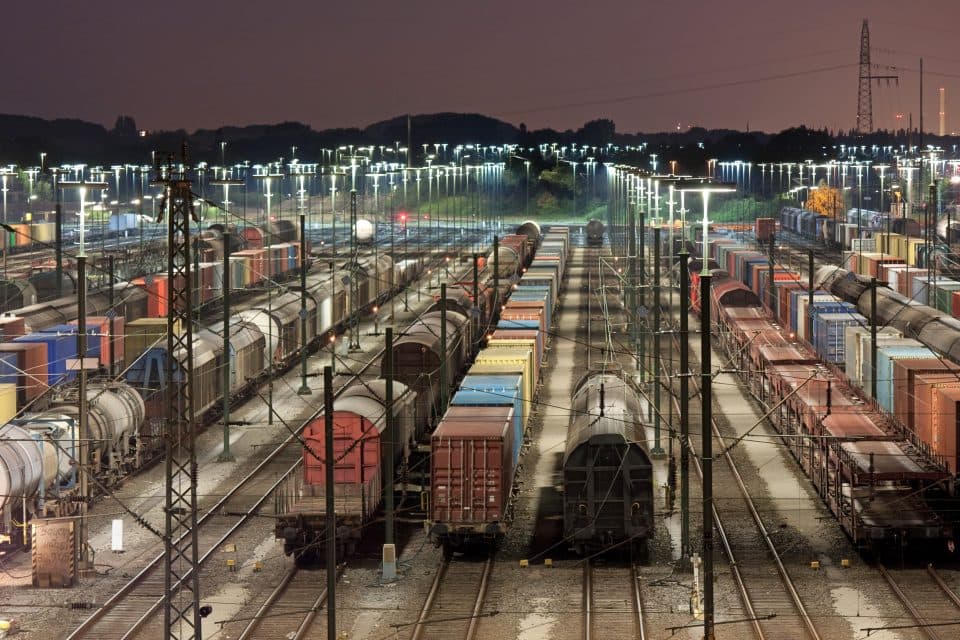
The German government is reportedly in the process of modifying the distribution framework for single wagonload rail subsidies. The proposed changes would move away from a system based on pre-planned services, instead tying financial support to the actual operational execution of these services. This initiative aims to streamline the subsidy process and ensure that funding more accurately reflects the actual volume and efficiency of rail freight operations.
For freight forwarders and logistics managers, this revision could have several implications. A shift to performance-based subsidies might encourage rail operators to optimize their services, potentially leading to improved schedule reliability and more efficient handling of single wagonload shipments. This could make rail a more attractive option for certain cargo types, influencing routing choices and potentially stabilizing or reducing inland transportation costs within Germany. Forwarders should monitor these changes to understand how they might affect contract negotiations and service level agreements with rail providers.