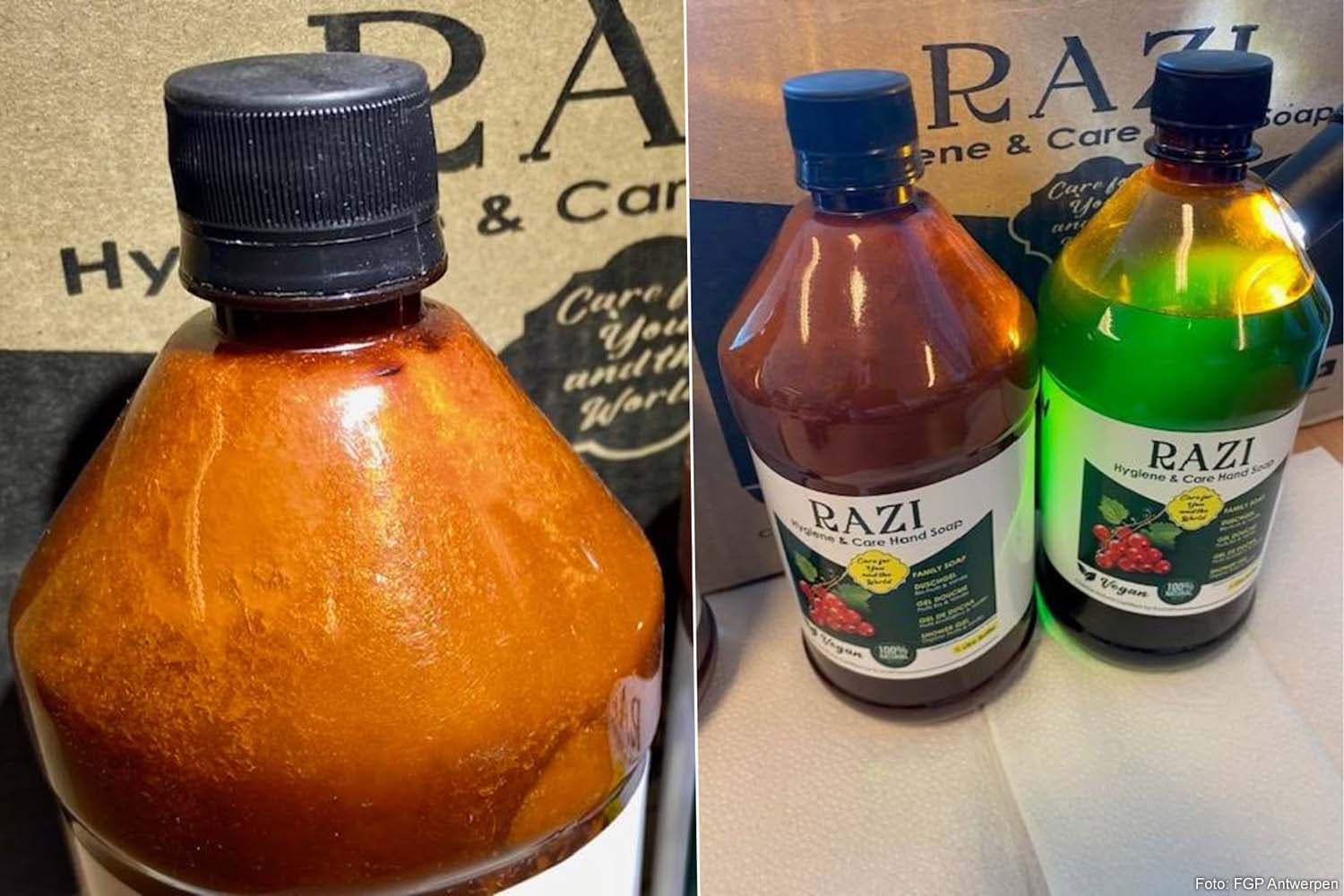
Belgian police and customs officials at the Port of Antwerp recently discovered cocaine concealed within bottles of liquid soap. The illicit substance was found in a container that had arrived by ship from Colombia. Following its arrival, the container was slated for onward road transport to Croatia. The exact quantity of cocaine seized was not specified in the report.
This incident underscores the persistent efforts by criminal organizations to exploit global supply chains for drug trafficking, often using sophisticated concealment methods to bypass detection.
For freight forwarders and logistics professionals, such incidents can lead to significant operational disruptions. Enhanced scrutiny and potential delays for cargo originating from or transiting through high-risk regions, like certain parts of South America, may become more frequent. This could result in increased inspection times, additional security checks, and potentially higher costs for shippers. Forwarders must ensure robust compliance procedures and work closely with customs authorities to mitigate risks and maintain supply chain integrity. The potential for cargo to be compromised, even with seemingly legitimate goods, necessitates vigilance and strong due diligence practices.