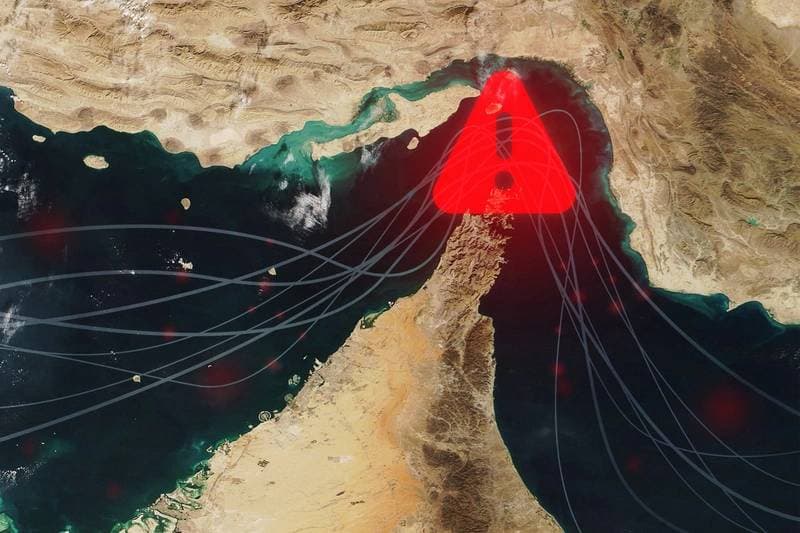
The global logistics landscape is facing a dual challenge from intensifying geopolitical conflicts and the accelerating effects of climate change. This combination is creating a complex environment that threatens the smooth flow of goods, particularly for vital commodities such as oil, fertilizers, and food.
This situation is reminiscent of previous periods of instability but is exacerbated by the simultaneous pressure from environmental shifts. Geopolitical tensions can lead to trade restrictions, sanctions, and direct disruptions to shipping lanes, while climate change manifests through extreme weather events, impacting infrastructure, agricultural output, and transit routes.
For freight forwarders and operations managers, this implies a need for increased vigilance and adaptability. Expect potential shifts in traditional trade routes, higher insurance premiums due to elevated risk, and possible delays or capacity constraints. The cost of transporting essential goods may also rise, impacting overall supply chain budgets. Diversification of sourcing and routing strategies will become even more critical to mitigate risks.
While the article does not specify immediate next steps, the ongoing nature of both geopolitical shifts and climate change suggests that these challenges will persist and likely intensify, requiring continuous monitoring and proactive risk management from all stakeholders in the supply chain.