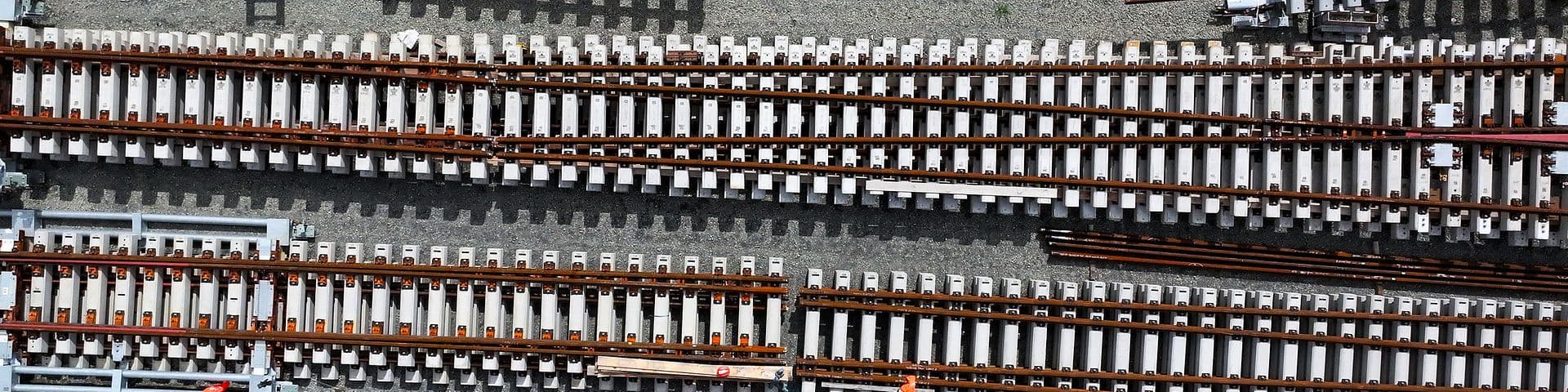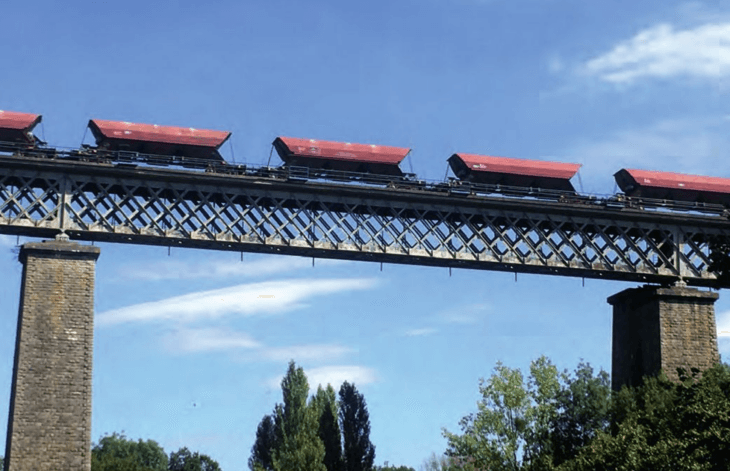
A rail freight line in western France, linking Thouars and Niort, has not seen any freight traffic since its partial refurbishment three years ago. The project, which cost €17 million in public funds, aimed to enhance rail freight capabilities in the region. However, the line remains dormant, leading to questions about the planning and execution of such infrastructure investments.
For freight forwarders and logistics operators, the non-utilization of a modernized rail line represents a missed opportunity for modal shift and potential capacity. Investments in rail infrastructure are typically intended to offer more sustainable and efficient alternatives to road transport, especially for longer hauls. The lack of operational freight services on this line means that shippers in the region cannot leverage this route, potentially increasing reliance on road transport and impacting overall supply chain efficiency and environmental goals.
This situation highlights the importance of thorough demand assessment and integrated planning between infrastructure development and operational service deployment to ensure that investments translate into tangible benefits for the freight industry.