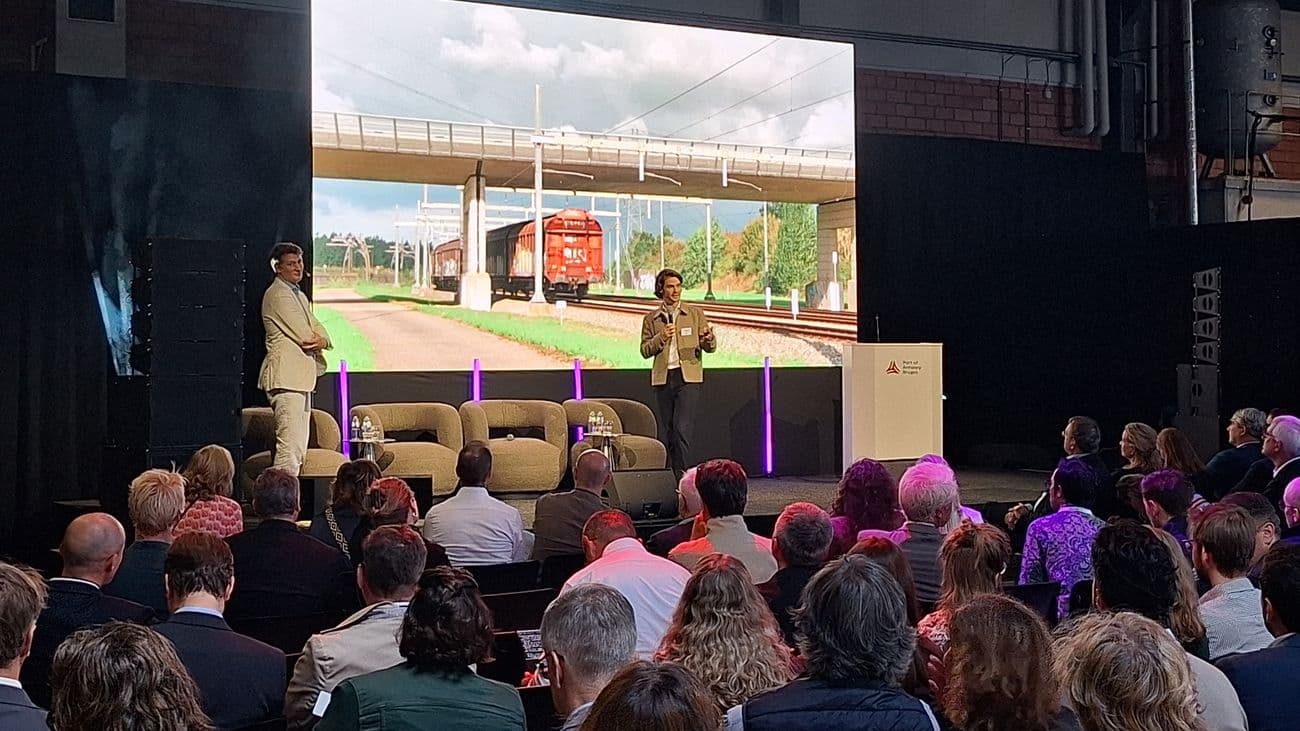
Port of the Future Week recently concluded, underscoring a significant evolution in the maritime sector's approach to technological advancement. The event's key takeaway was the industry's transition from conducting numerous pilot projects for new port technologies to prioritizing their widespread deployment. Discussions centered on the necessity of scaling these innovations effectively, developing universal standards for interoperability, and enhancing collaborative efforts across the port ecosystem.
This shift reflects a growing maturity in the adoption of digital and automated solutions within ports. While initial pilot programs were crucial for validating concepts, the focus is now on integrating these proven technologies into daily operations to achieve tangible benefits.
For freight forwarders and logistics professionals, this development signals a future with potentially more efficient and predictable port operations. Increased deployment of advanced technologies, such as enhanced automation and digital platforms, could lead to faster vessel turnarounds, reduced dwell times for cargo, and improved data visibility. Standardized systems and greater collaboration might also streamline communication and documentation processes, ultimately contributing to more reliable supply chains and potentially impacting transit times and costs. Forwarders should monitor these developments for opportunities to leverage new port capabilities for their clients.
Moving forward, the industry is expected to concentrate on overcoming challenges related to integration complexities, cybersecurity, and ensuring that new technologies are accessible and beneficial for all port users.