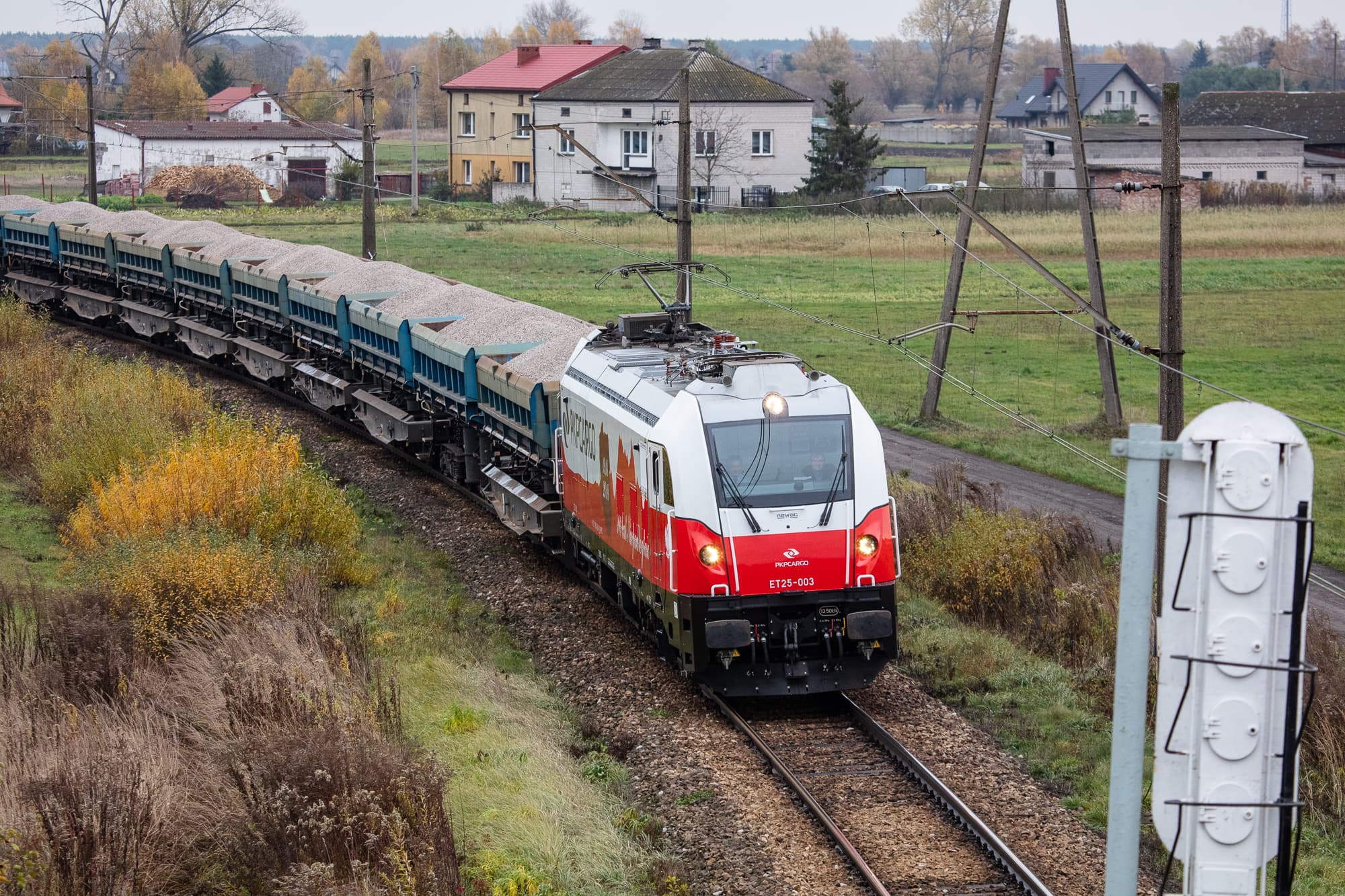
The European Union's rail freight sector experienced a 1.8% reduction in performance during 2025 when compared to 2024, according to recent data released by Eurostat, the EU's statistical agency. This decline represents the fourth consecutive year of contraction for rail freight within the EU.
For freight forwarders and logistics professionals, this sustained downturn in EU rail freight volumes could indicate several factors. It might point to a continued shift towards other transport modes, such as road or short-sea shipping, or reflect broader economic slowdowns impacting overall cargo movement. Reduced volumes could lead to competitive pricing on available rail capacity, but also potentially fewer service options or frequency on certain routes if operators struggle with profitability. Forwarders should monitor rail network capacity and pricing carefully, especially for intermodal solutions, as this trend may influence lead times and costs for inland European shipments.