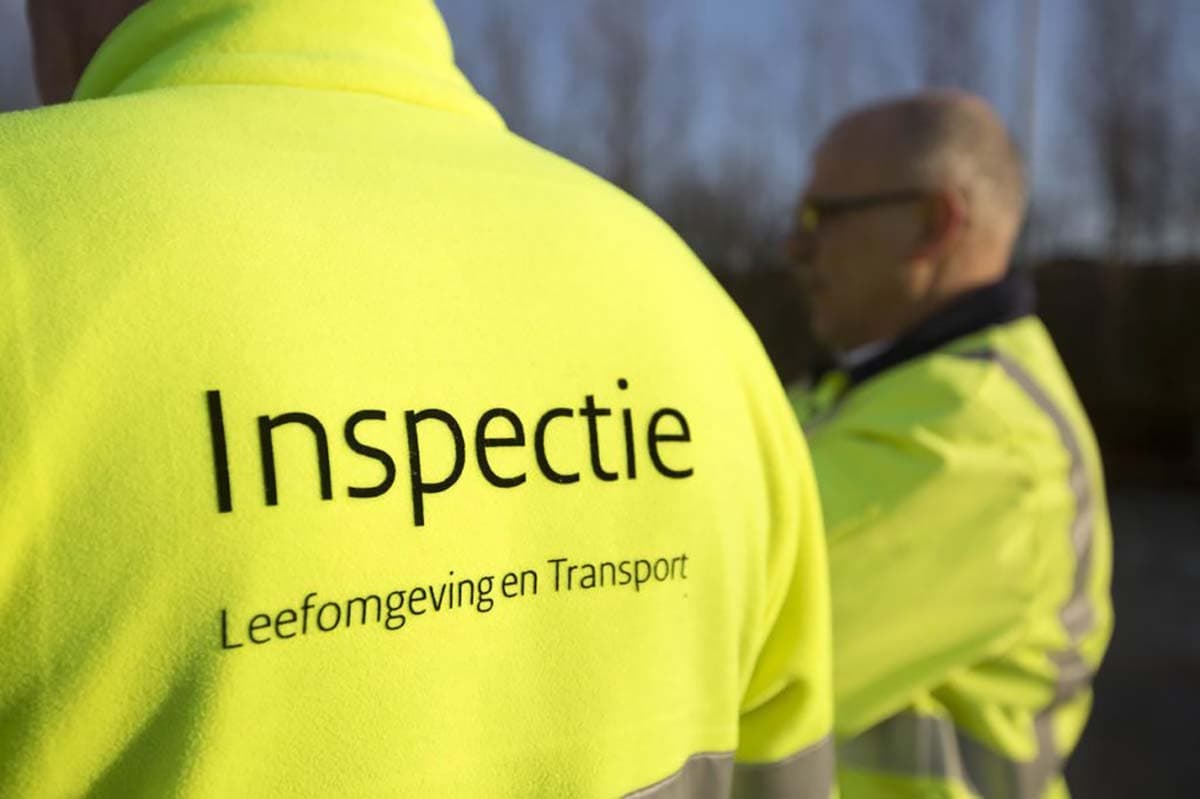
The Dutch Human Environment and Transport Inspectorate (ILT) announced that it will implement stricter priorities for its enforcement activities starting in 2027. Due to financial limitations, the inspectorate can no longer maintain its current level of oversight across all sectors. As a result, inspections related to the transport of hazardous materials, taxi services, and noise pollution from both rail and aviation will become less intensive.
This strategic shift means that other areas, specifically those concerning PFAS (per- and polyfluoroalkyl substances) and cyber resilience, will receive increased attention and resources. The ILT's decision reflects a need to reallocate its finite budget to what it deems the most critical risks and emerging challenges.
For freight forwarders and logistics operators involved in the transport of dangerous goods within or through the Netherlands, this change could lead to a perceived reduction in immediate regulatory scrutiny. However, it is crucial to understand that while routine checks might decrease, the fundamental regulations for hazardous materials transport remain in effect. Forwarders must continue to ensure full compliance with ADR, IMDG, and ICAO TI regulations, as liability for incidents remains unchanged. The shift in ILT's focus does not diminish the importance of robust internal safety protocols and documentation. Any future incidents or targeted checks could still result in significant penalties if non-compliance is found. Therefore, maintaining high standards of safety and regulatory adherence is paramount, irrespective of the inspection frequency.