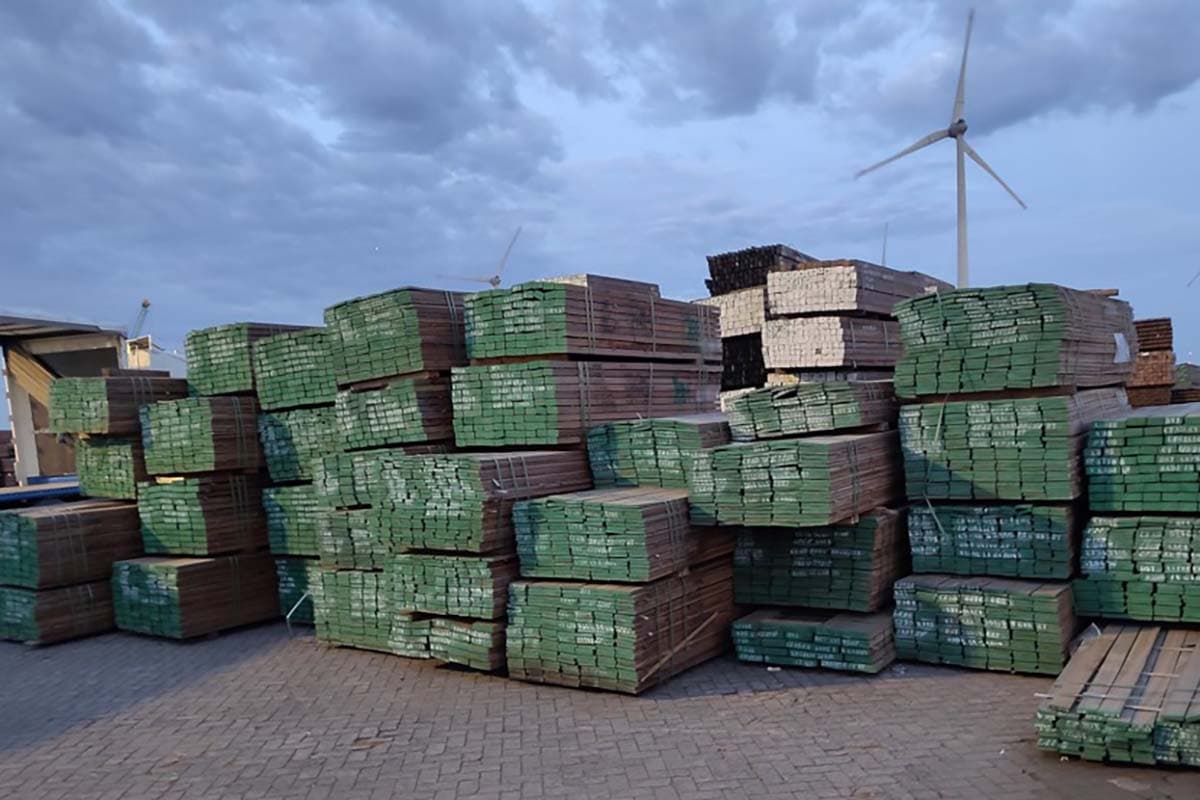
The Dutch Food and Consumer Product Safety Authority (NVWA) and the police recently confiscated more than 375 tons of tropical hardwood during an investigation into a timber importer located in the Northern Netherlands. The seized wood, identified as azobé from Gabon, lacked verifiable documentation proving its legal origin, according to the investigators.
This operation underscores the persistent challenges in combating illegal logging and the trade of unsustainably sourced timber. Authorities are increasingly scrutinizing supply chains to ensure compliance with regulations designed to protect forests and promote responsible forestry practices.
For freight forwarders and logistics operators, this incident highlights the critical importance of due diligence in verifying the provenance of timber products. Shippers must ensure that all necessary documentation, such as FLEGT licenses or other proof of legal harvesting, is in order to avoid seizures, penalties, and significant operational delays. The inability to demonstrate legal origin can lead to cargo impoundment, impacting delivery schedules and potentially resulting in financial losses for all parties involved in the supply chain.