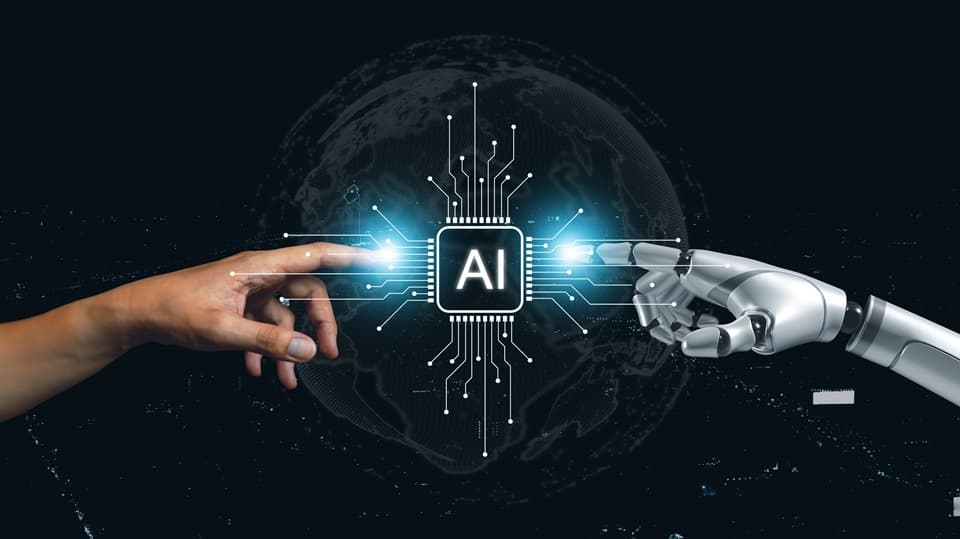
The DHL Logistics Trend Radar 8.0 report reveals that artificial intelligence (AI) is evolving past its role as a mere digital assistant, with intelligent systems gaining capabilities for autonomous planning, decision-making, and action within logistics. This advancement is attributed to significant progress in AI, robotics, and automation technologies.
Despite these technological strides, the report underscores the continued centrality of human personnel in logistics operations. While AI can optimize processes and handle routine tasks, human expertise remains crucial for complex problem-solving, strategic oversight, and adapting to unforeseen disruptions.
For freight forwarders and operations managers, this trend suggests a shift in required skill sets. While AI can automate data analysis, route optimization, and predictive maintenance, human operators will need to focus on managing these sophisticated systems, interpreting AI-generated insights, and making final strategic decisions. This could lead to increased efficiency and potentially lower operational costs, but also necessitates investment in training for a more technologically integrated workforce. The report implies that forwarders should prepare for a future where AI tools enhance, rather than entirely replace, human roles in managing complex supply chains.