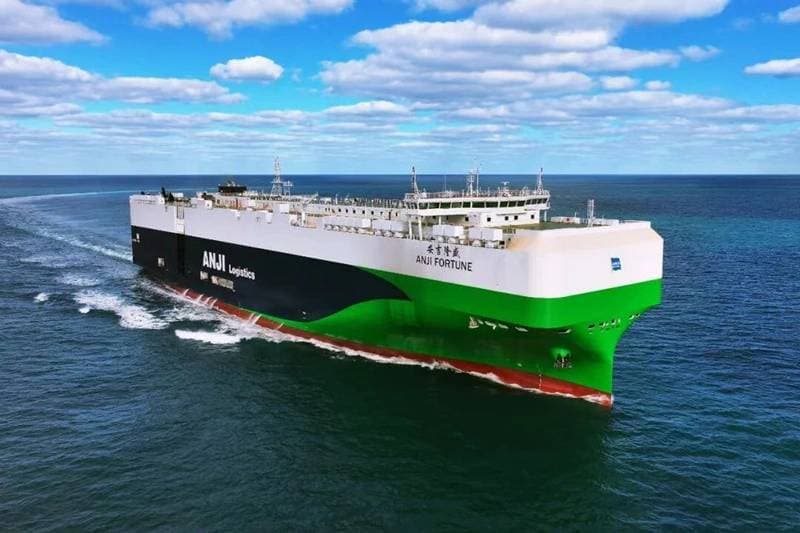
The global shipping industry is witnessing an extraordinary surge in investment for multi-deck vehicle carriers. This capital injection is primarily motivated by the need to replace aging vessels and achieve greater economies of scale. However, the most significant catalyst for this trend is the explosive growth in China's automotive export volumes.
For freight forwarders and operations managers, this development signals a potential increase in dedicated capacity for vehicle shipments, which could stabilize or even reduce freight rates for automotive cargo in the long term. However, in the short to medium term, the delivery of new vessels might not immediately alleviate current capacity constraints, especially if export demand continues to outpace new tonnage. Forwarders should monitor newbuild delivery schedules and trade lane allocations to anticipate capacity shifts and potential impacts on booking lead times and pricing for Ro-Ro services.
This investment wave is expected to continue as China solidifies its position as a major global automotive exporter, leading to a modernized and expanded fleet capable of handling larger volumes of vehicles.