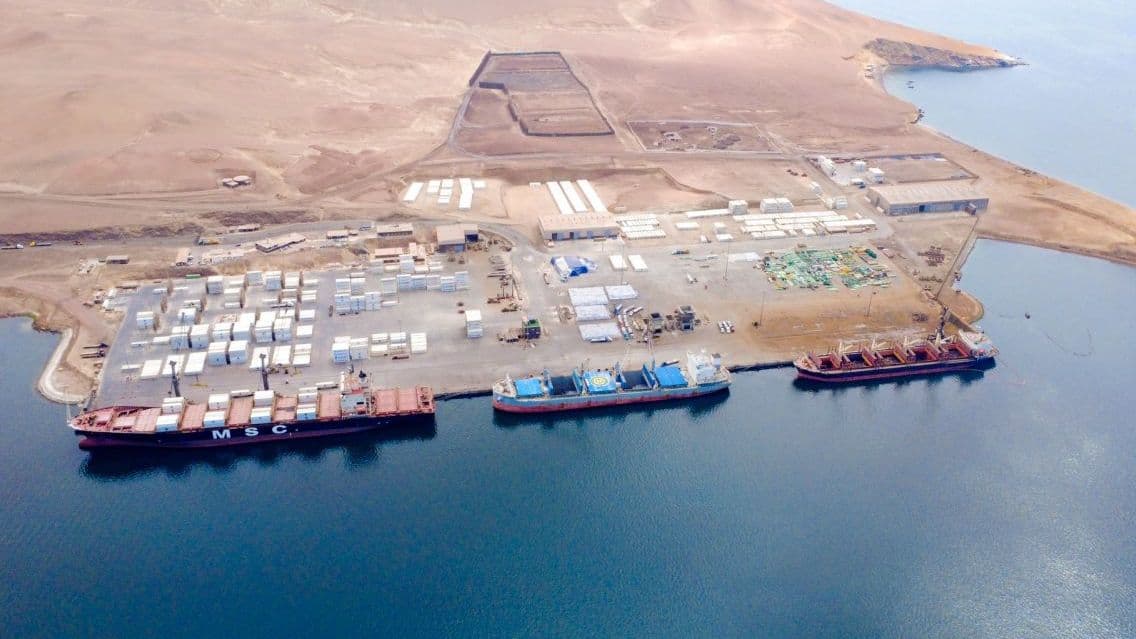
As many as 70 vessels are currently anchored near the Sulina Canal, a critical waterway on the Danube River, facing substantial waiting times to enter Ukrainian ports and load grain. This bottleneck is primarily caused by an insufficient number of available pilots to guide ships through the canal and the preferential treatment given to other types of cargo, which pushes grain shipments further down the queue.
For freight forwarders and operations managers, this situation translates into increased transit times and potential demurrage charges for vessels awaiting passage. The delays can disrupt supply chain schedules for agricultural commodities originating from Ukraine, potentially impacting delivery commitments and storage costs. Forwarders should anticipate longer lead times for Black Sea grain exports via the Danube and factor in potential additional costs due to vessel waiting periods. This congestion could also lead to a temporary reduction in available vessel capacity for other routes if ships are tied up for extended durations.
There is no immediate indication from the source on when these operational issues might be resolved or what measures are being taken to alleviate the congestion at the Sulina Canal.