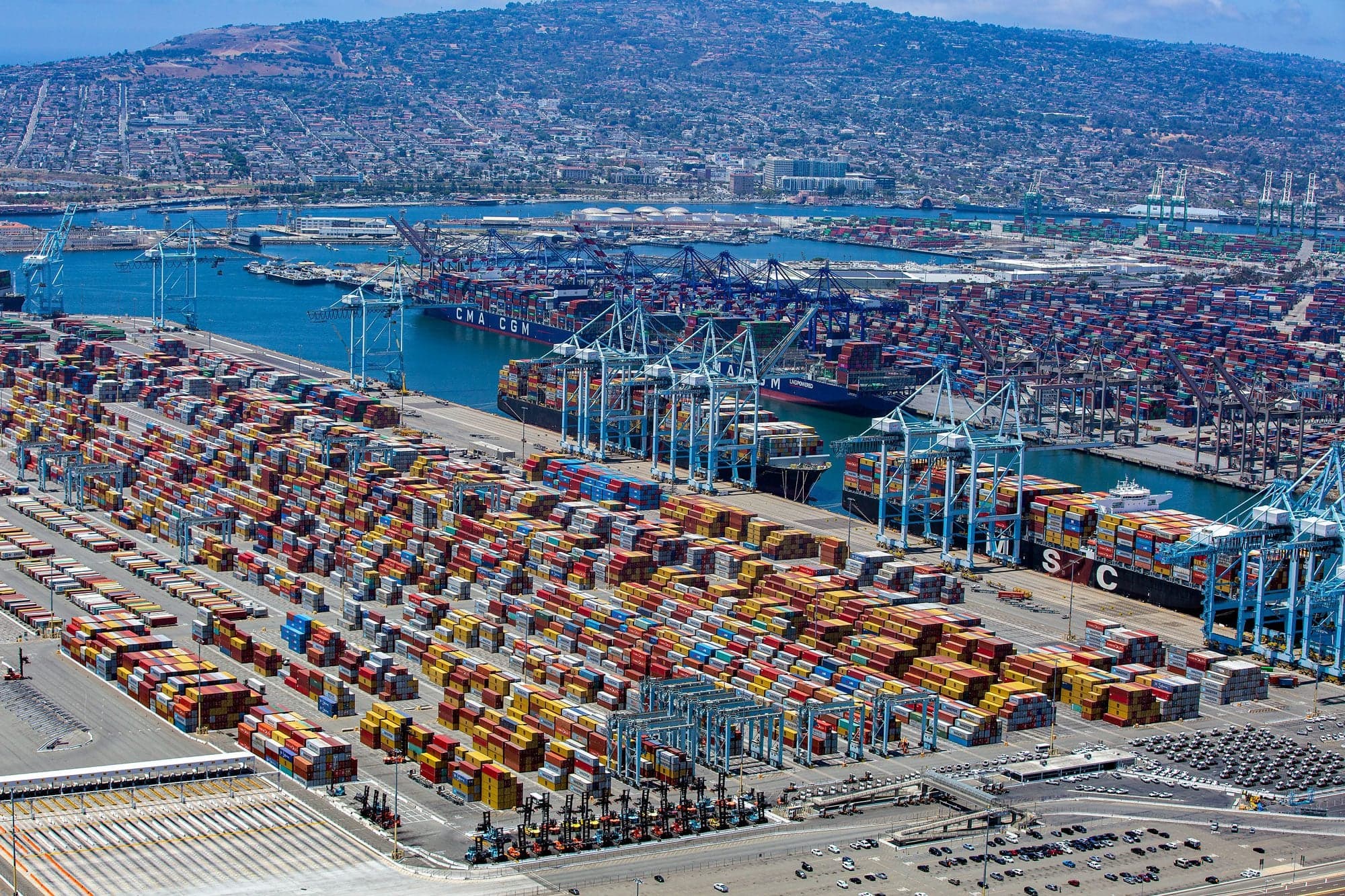
The United States has observed an early conclusion to its container import peak season, with retailers having largely completed their accelerated shipping schedules. This proactive approach was a direct response to anticipated new tariffs and broader uncertainties within the global supply chain, prompting companies to front-load their cargo volumes.
This phenomenon meant that a significant portion of the usual late-summer/early-fall import surge was pulled forward, occurring earlier in the year than is typical. The motivation behind this strategy was to ensure goods arrived before any new trade barriers could be implemented, potentially increasing costs or causing delays.
For freight forwarders and operations managers, this development suggests a potential normalization or even a slight dip in transpacific import volumes in the immediate future, following the intense period of accelerated shipments. While the overall annual volume might remain consistent, its distribution across the year has been altered. Forwarders should anticipate a less pronounced traditional peak season, potentially impacting capacity demand and spot rates on key trade lanes, particularly from Asia to the US. Shippers who did not front-load their cargo might find more readily available capacity and potentially more stable rates in the coming months, compared to the earlier rush.