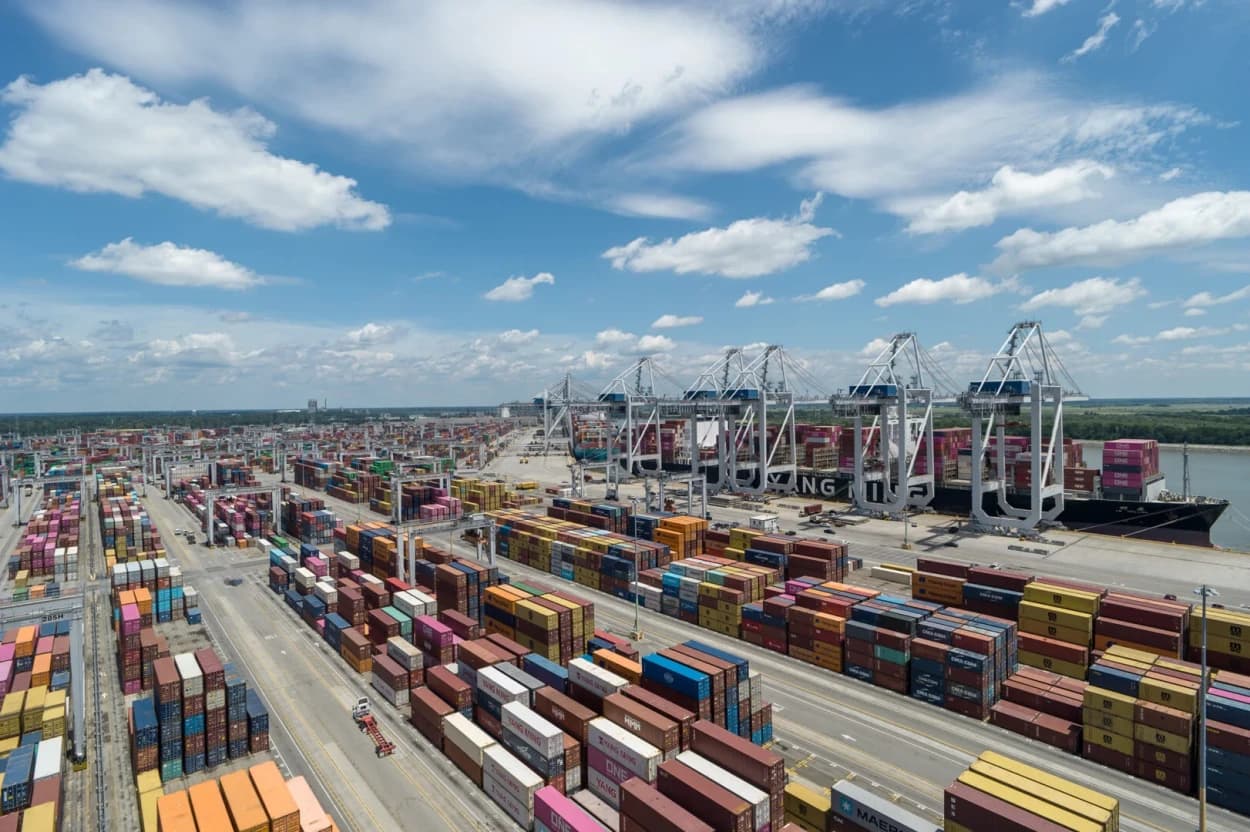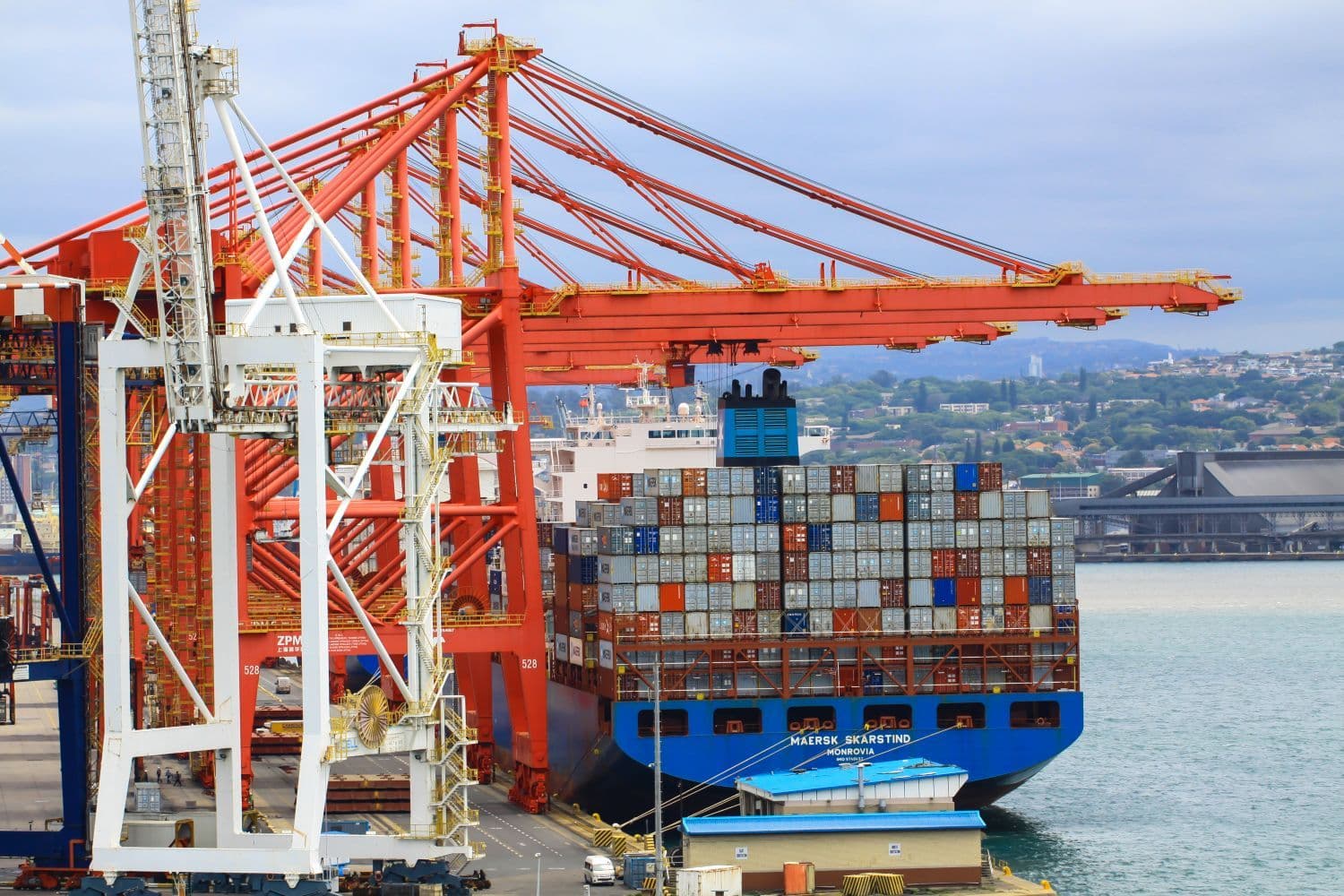
The global shipping industry is preparing for a significant influx of ultra-large container vessels (ULCVs) ranging from 18,000 to 24,000 TEUs, scheduled for delivery within the next three years. This surge in capacity is creating an urgent requirement for new deepwater terminal infrastructure, not only along existing high-volume routes but also in previously underserved regions, as highlighted by industry analyst Jeremy Masters.
For freight forwarders and operations managers, this development signals potential shifts in port calls and routing strategies. Ports that can accommodate these larger vessels will likely gain importance, while those lacking sufficient draft or crane capacity may see reduced direct calls from major carriers. This could lead to increased reliance on feeder services or alternative inland transportation for cargo destined for less accessible ports. Forwarders should monitor port investment and expansion plans closely to anticipate changes in network design and potential impacts on transit times and costs. The introduction of more ULCVs typically aims for economies of scale, which could, in theory, put downward pressure on per-TEU slot costs on main trade lanes, though this is often offset by other market dynamics.