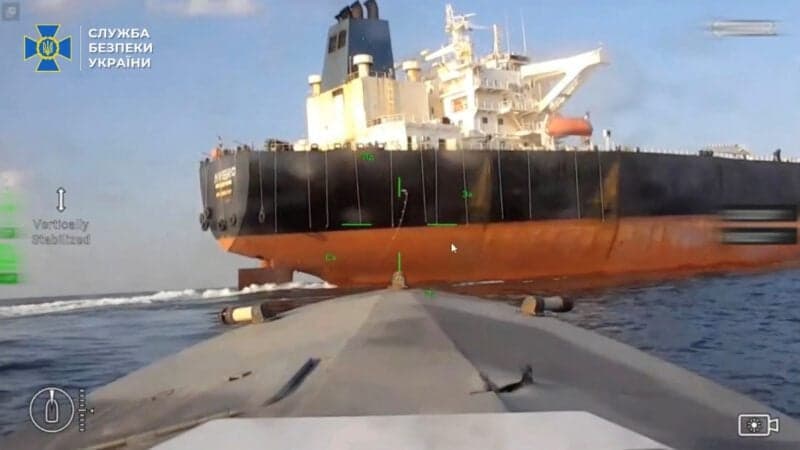
Turkey has recommenced ship movements through its critical straits, providing access to the Black Sea, after a period of unexplained delays. Several vessels experienced hold-ups, which authorities attributed to enhanced security protocols. The precise nature of these security concerns or the reasons behind the temporary halt in transits have not been publicly detailed.
This resumption is significant for freight forwarders and shippers, as any disruption to transit through the Turkish Straits (Bosphorus and Dardanelles) directly impacts vessel schedules and supply chain reliability for cargo moving to and from Black Sea ports. Delays can lead to increased lead times, potential demurrage charges, and necessitate adjustments to onward logistics. The stability of this route is vital for regional trade, particularly given ongoing geopolitical sensitivities.
While the immediate impact of this brief delay is likely minimal for most shipments, it underscores the vulnerability of key maritime chokepoints to unforeseen security or operational issues. Forwarders should continue to monitor geopolitical developments in the region and factor potential transit disruptions into their planning and risk assessments.