Turkey, a key ally of the United States and Iran's third-largest trading partner, faces the prospect of energy supply challenges. This risk arises from potential intensified US economic sanctions against Iran, which could disrupt Turkey's access to Iranian natural gas.
Historically, Turkey has relied on Iran as a significant energy provider, making it vulnerable to any measures aimed at isolating Tehran economically. The US has previously imposed sanctions on Iran, impacting various sectors, and a further tightening could directly affect energy trade.
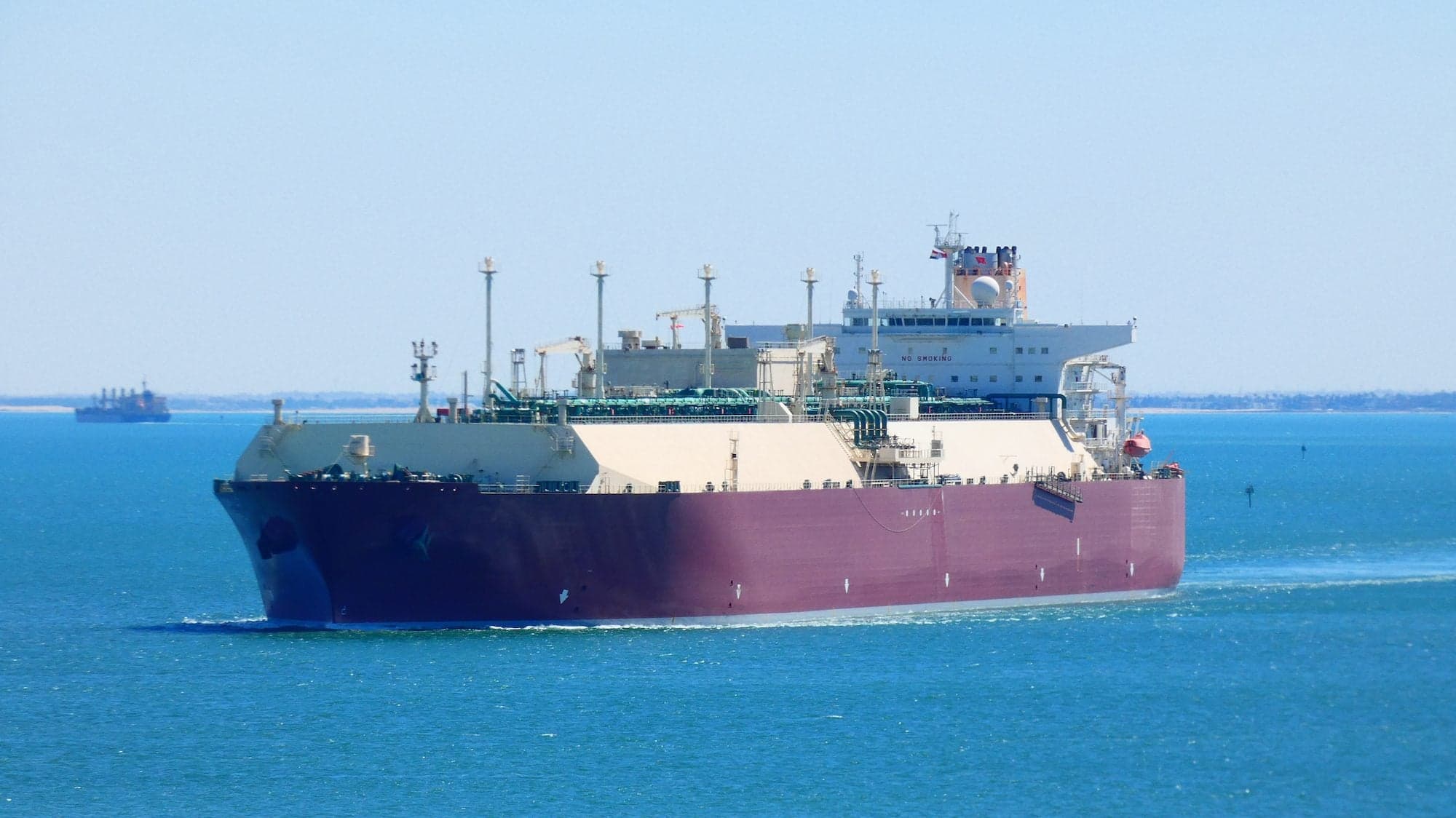
For freight forwarders and shippers, this situation could lead to shifts in energy sourcing for Turkey, potentially increasing demand for LNG or pipeline gas from other regions. This might influence shipping routes and capacity for energy-related cargo, as Turkey seeks to diversify its energy imports. Increased geopolitical tensions could also affect insurance premiums for vessels operating in the broader region.
Should the US proceed with stricter sanctions, Turkey would likely need to secure alternative natural gas supplies, possibly from Azerbaijan or Russia, or increase its reliance on liquefied natural gas (LNG) imports. This would necessitate adjustments in its energy procurement strategy and could have broader implications for regional energy markets.