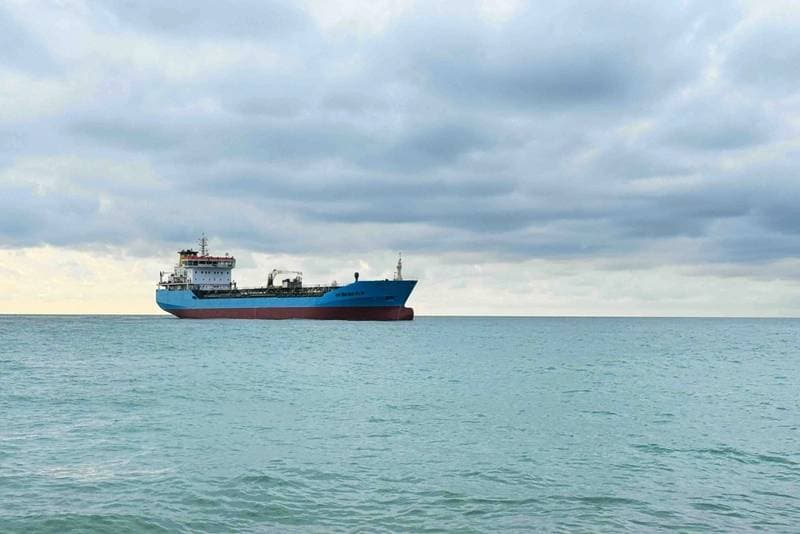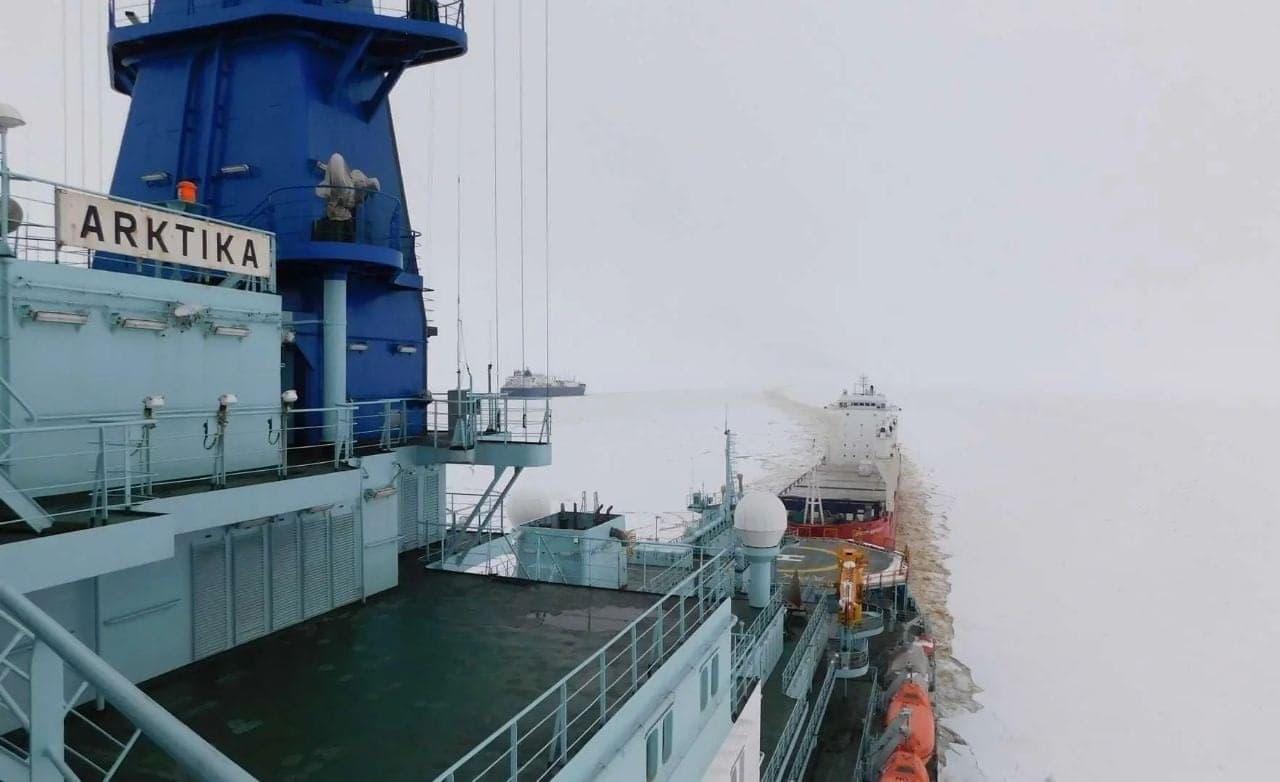
A tanker recently experienced substantial hull damage while navigating the Arctic's Northern Sea Route (NSR), even with the support of an icebreaker. This incident brings to light the considerable hazards associated with operating vessels in the Arctic region, particularly as Russia intensifies its crude oil shipments through this increasingly vital, yet perilous, maritime corridor.
The Northern Sea Route offers a shorter transit time between Europe and Asia compared to traditional routes via the Suez Canal, but it presents unique challenges including extreme weather conditions, limited navigation windows, and the constant threat of sea ice. Russia has been actively promoting the NSR as a strategic shipping lane, especially for its energy exports, investing in icebreaker fleets and port infrastructure.
For freight forwarders and shippers, this incident underscores the elevated operational risks and potential for delays or cargo damage when considering the NSR. While the route offers potential time savings, the need for specialized ice-class vessels, icebreaker escorts, and the higher insurance premiums associated with Arctic navigation can significantly increase costs. Furthermore, any incident like this can lead to substantial disruptions, requiring emergency repairs, transshipment, or rerouting, all of which impact supply chain reliability and lead times. Forwarders must carefully weigh these factors against the perceived benefits and ensure robust contingency plans are in place for any Arctic transits.
Moving forward, the incident may prompt further scrutiny of safety protocols and vessel specifications for Arctic operations. It also reinforces the ongoing debate about the environmental impact and navigational feasibility of increasing commercial traffic in the fragile Arctic ecosystem.