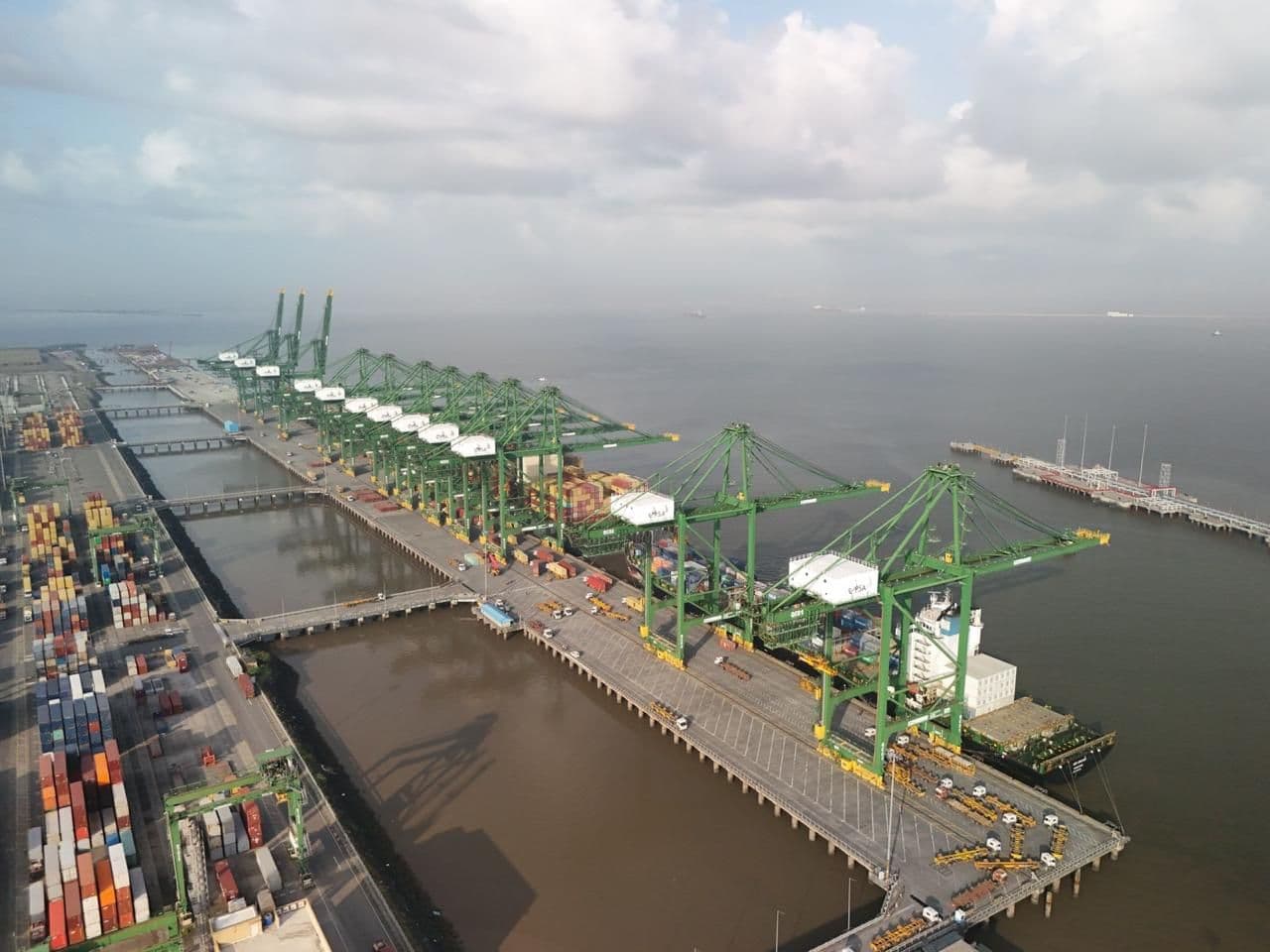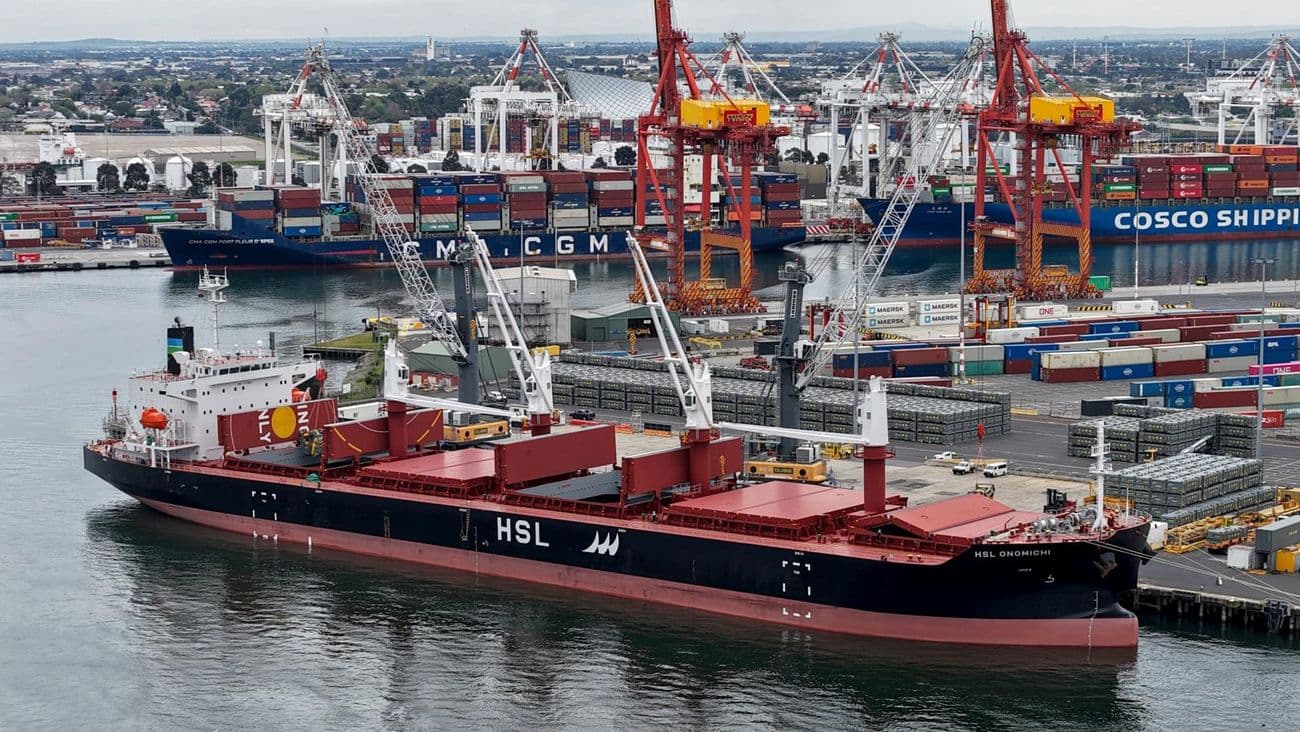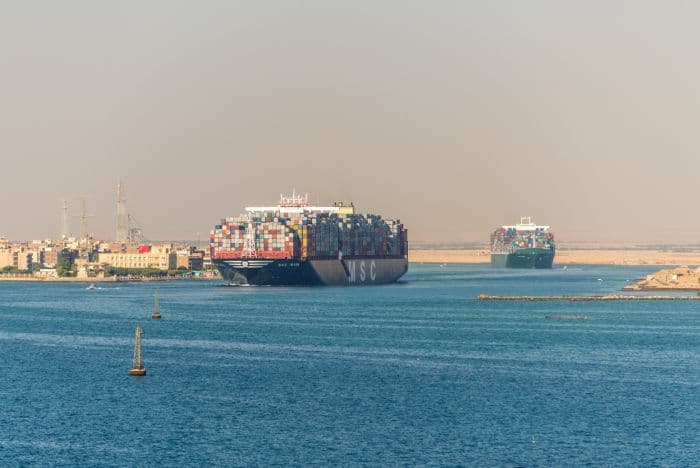
Shipping lines are significantly escalating the amount of proforma capacity allocated to Suez Canal transits, indicating a broad return to Red Sea routes. This acceleration occurs even as carriers aim for a phased reintroduction to avoid overwhelming European terminals with a sudden influx of vessels.
For freight forwarders and operations managers, this rapid increase in Suez Canal capacity means a potential reduction in transit times for cargo moving between Asia and Europe, compared to the longer Cape of Good Hope route. However, the caution from carriers about European terminal congestion suggests that while ocean transit might shorten, delays could still occur at destination ports. Forwarders should monitor port congestion levels in Europe closely and communicate potential inland delays to shippers. The shift also impacts vessel availability and scheduling, requiring adjustments to booking and routing strategies.