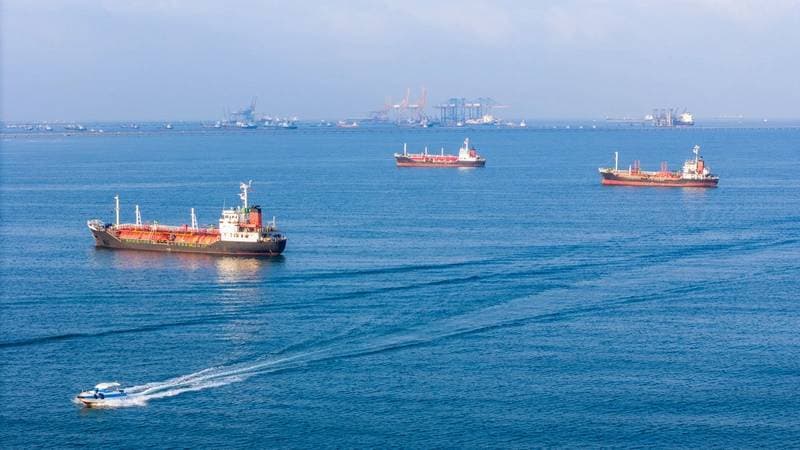
On Monday, only two tankers passed through the Strait of Hormuz, a critical chokepoint for global energy trade. This figure represents the lowest daily transit volume for commodity vessels since early May and is substantially below the ten-day average of 14 vessels. Both vessels reportedly entered the Gulf.
This reduction in traffic coincides with heightened geopolitical tensions in the region, particularly involving Iran. The Strait of Hormuz is a vital passage for a significant portion of the world's oil and liquefied natural gas (LNG) shipments, making any disruption a concern for global energy markets.
For freight forwarders and shippers, a reduction in vessel transits through the Strait of Hormuz could indicate increased risk perception by carriers and vessel operators. This may lead to higher war risk premiums for cargo insurance, potential re-routing of vessels (though limited for Gulf-bound traffic), and increased operational costs. Supply chain analysts should monitor this trend closely for potential impacts on crude oil and LNG supply chains, which could affect pricing and availability.
The article does not specify what actions, if any, are expected next, but continued monitoring of geopolitical developments in the region will be crucial for the shipping industry.