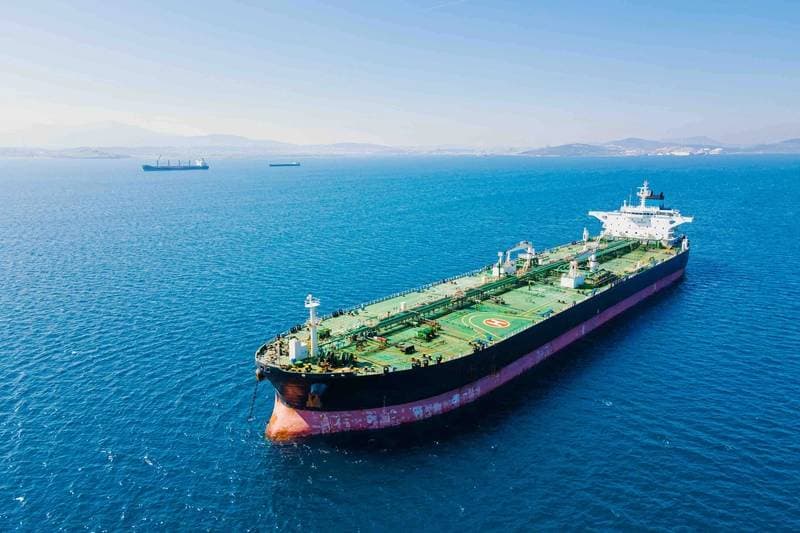
Six supertankers operating under the Saudi flag have recently changed their navigation plans in the Gulf of Aden, opting to sail towards southern Africa instead of their original destinations. This significant rerouting is a direct response to explicit threats issued by Yemen's Houthi movement, which has declared its intention to target Saudi-affiliated shipping in the area. Maritime tracking data confirms these course adjustments, underscoring the immediate impact of geopolitical tensions on commercial shipping.
For freight forwarders and operations managers, this development signifies a heightened risk environment in a critical global shipping lane. The diversion of these tankers implies longer transit times and increased fuel consumption as vessels circumnavigate the African continent. This will likely lead to higher operational costs for carriers, which could translate into elevated freight rates and war risk premiums for shippers, particularly for crude oil and other bulk liquid cargoes originating from or transiting the Middle East. Forwarders should anticipate potential schedule delays and factor in additional buffer time for shipments, while closely monitoring security advisories for the region.
This incident is part of a broader pattern of maritime insecurity in the Gulf of Aden and the Red Sea, where Houthi attacks have previously disrupted international shipping, prompting many carriers to reroute. The continued targeting of specific national or commercial interests by non-state actors in this vital waterway necessitates ongoing vigilance and adaptive routing strategies for all stakeholders in the global supply chain.