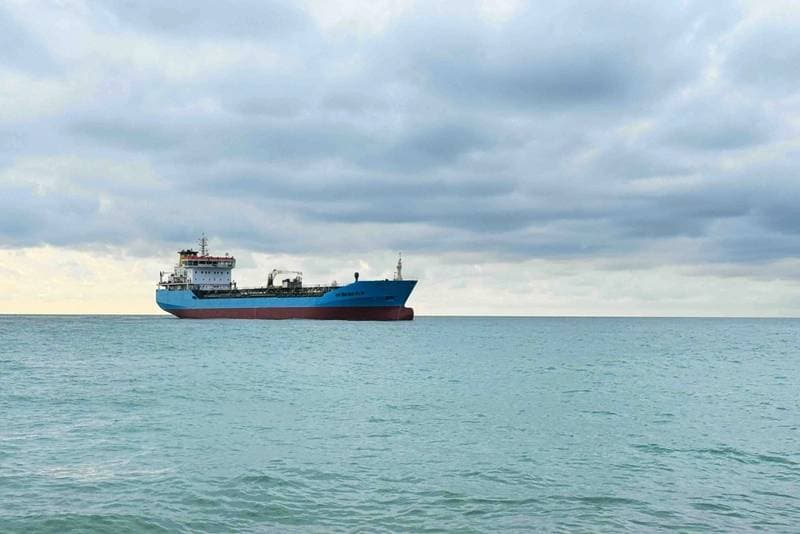
The global shipping market is navigating a complex landscape as it enters the second half of 2026, having already contended with multiple geopolitical shocks during the first six months of the year. This period has been characterized by various international incidents that have influenced trade flows, operational routes, and overall market dynamics across different shipping segments.
For freight forwarders and operations managers, this outlook suggests a need for continued agility and robust contingency planning. Geopolitical events can lead to sudden shifts in capacity, unexpected surcharges, and diversions, impacting transit times and delivery schedules. Monitoring market intelligence closely will be crucial for managing client expectations and optimizing routing decisions to mitigate potential disruptions and cost increases.
While the article does not specify particular geopolitical events, the general reference implies ongoing volatility. Forwarders should anticipate potential impacts on key trade lanes, possibly leading to further rate fluctuations or capacity constraints. The ability to adapt quickly to changing conditions, such as port congestion or altered sailing schedules, will be paramount for maintaining supply chain efficiency.