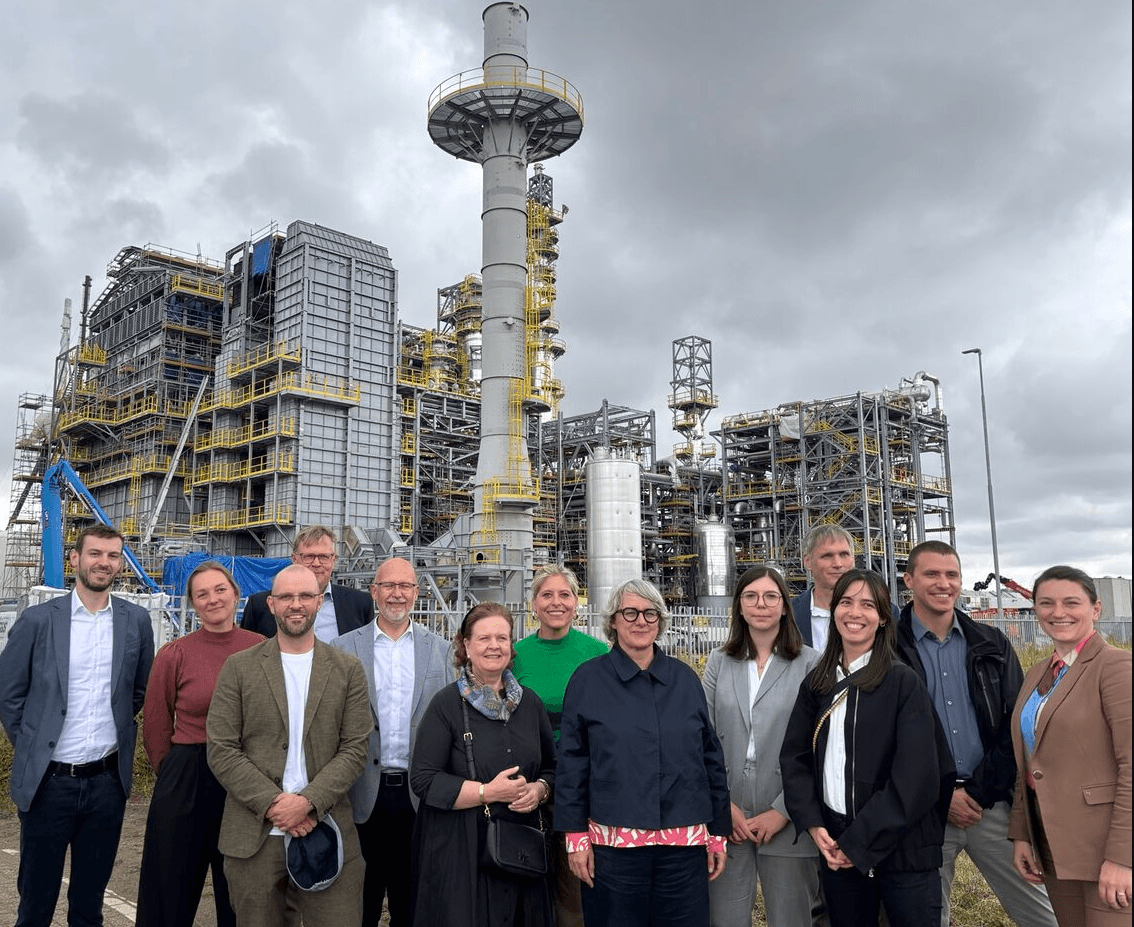
The Port of Rotterdam is actively pursuing its role as a primary gateway for carbon dioxide (CO₂) transport originating from the industrial heartland of North Rhine-Westphalia, Germany. This initiative involves the development of diverse transport modalities, including dedicated pipelines like Porthos and CO2next, as well as barge and rail options via the DeltaRhineCorridor. These infrastructure projects aim to facilitate the cross-border movement of industrial CO₂ emissions from German facilities to permanent storage sites located beneath the Dutch North Sea.
This development is crucial for freight forwarders and logistics managers, as it signifies an emerging specialized logistics chain for industrial decarbonization. While not directly impacting traditional container or bulk cargo rates, it represents a new segment of project cargo and specialized transport. Forwarders involved in industrial projects or those with clients in heavy industry might find opportunities in managing the inland logistics for these CO₂ flows, requiring expertise in multimodal transport and potentially specialized equipment. It also highlights a strategic shift in port functions, moving beyond conventional cargo handling to include environmental infrastructure.
Looking ahead, the successful implementation of these projects could establish a blueprint for similar cross-border carbon capture and storage (CCS) initiatives in Europe. The integration of various transport modes underscores the complexity and scale of the logistics required for industrial decarbonization efforts, potentially creating new demands for multimodal operators and specialized heavy-lift providers.