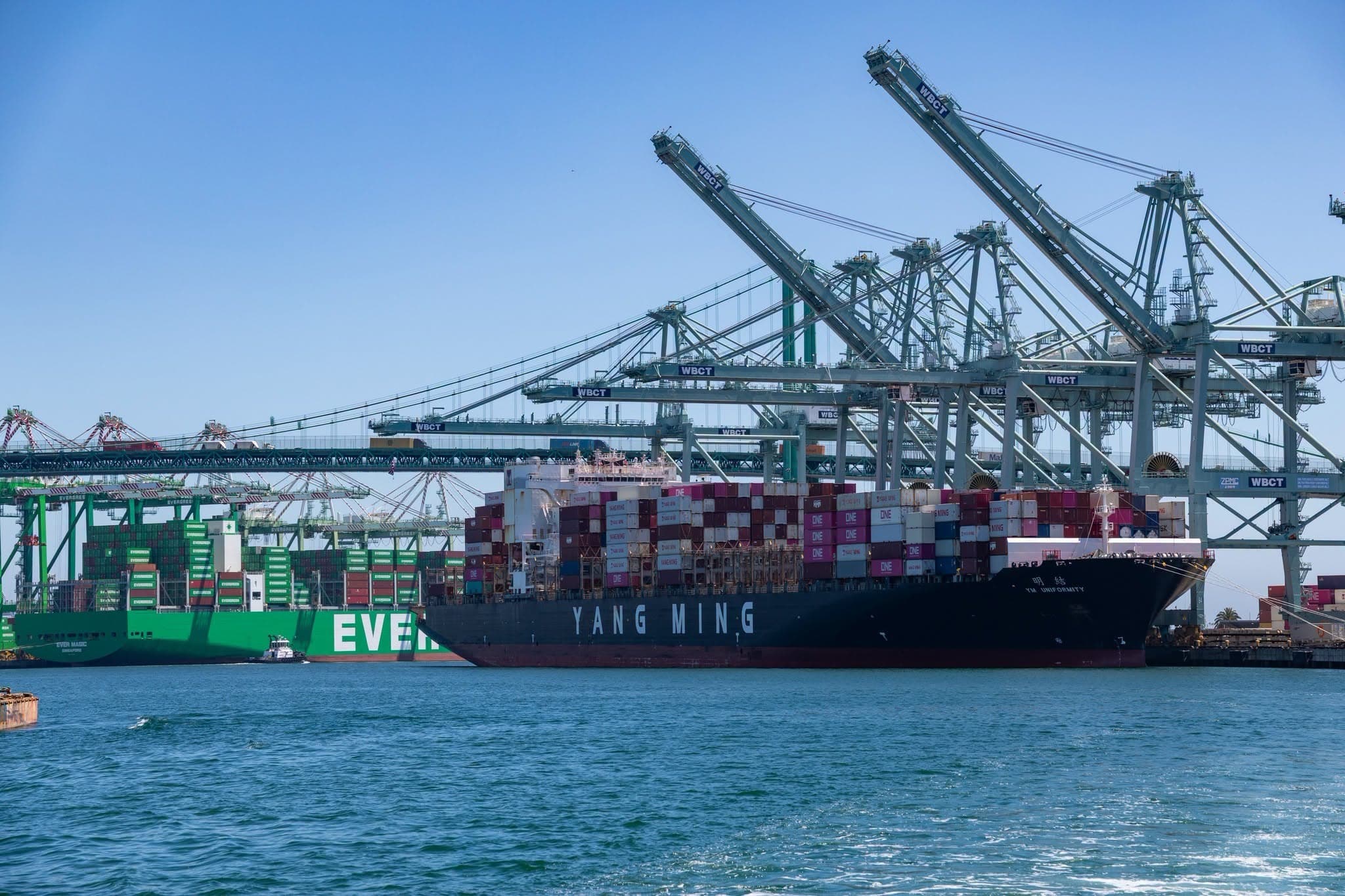
The Port of Los Angeles (LA) has successfully avoided port congestion, a persistent issue at many international shipping hubs. According to Executive Director Gene Seroka, the port has not experienced vessel backups in the past five years, despite handling significant cargo volumes. This operational fluidity extends to landside logistics, with the new perimeter gate system at Pier 400 contributing to quick truck turn times.
This situation at Los Angeles stands in contrast to the broader global maritime landscape, where liner executives frequently express concerns about congestion impacting supply chain efficiency. The port's ability to manage high activity levels without creating bottlenecks offers a stable gateway for transpacific trade.
For freight forwarders and operations managers, the consistent performance of the Port of Los Angeles provides a reliable option for cargo movement, particularly on the Trans-Pacific lane. The absence of congestion means predictable vessel schedules and faster cargo availability, reducing the risk of demurrage and detention charges. Efficient truck turn times further enhance the speed of inland distribution, which is crucial for maintaining tight delivery schedules. This stability can help forwarders better plan and execute shipments, potentially leading to cost savings and improved customer satisfaction.