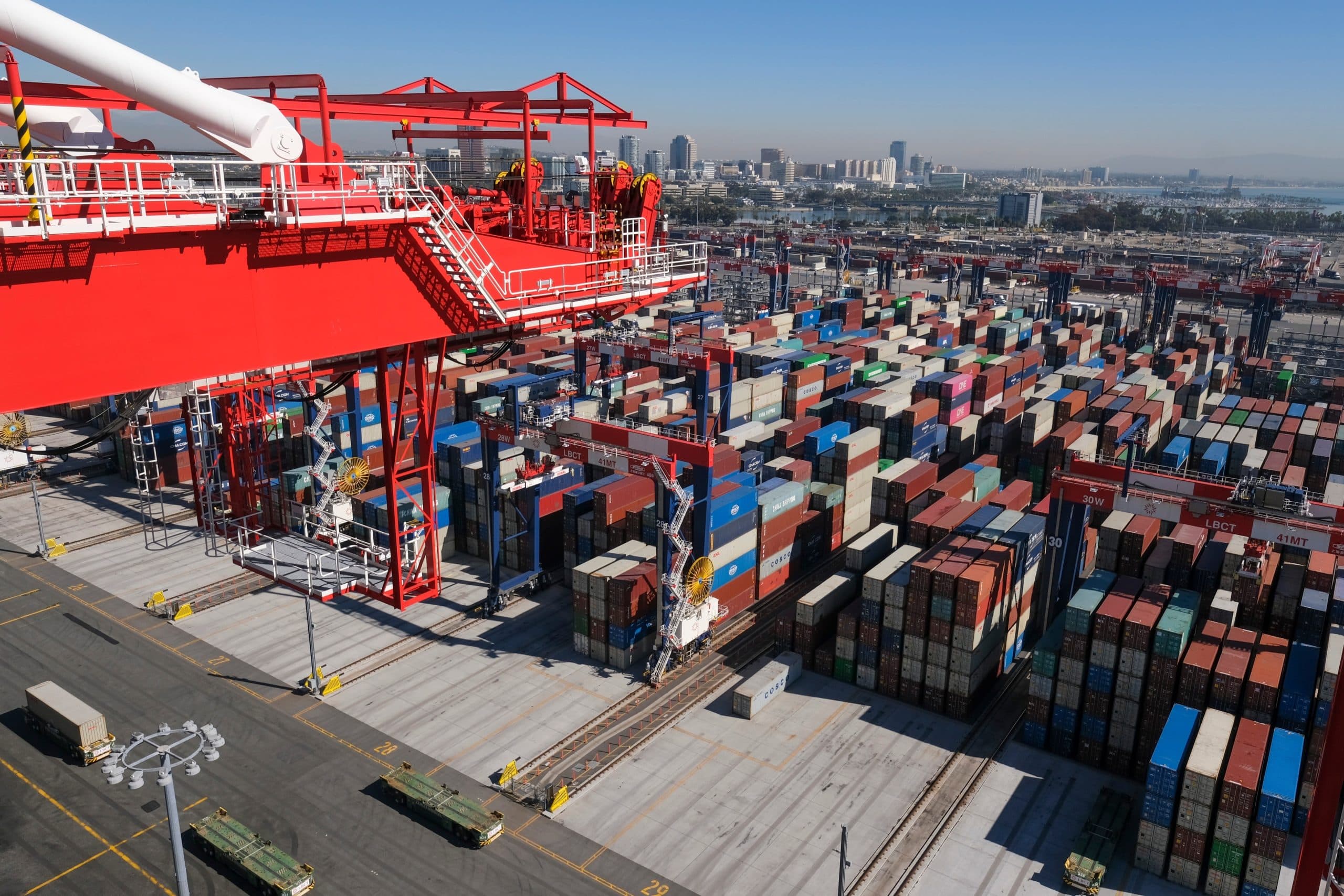
The Port of Long Beach recently announced its second-highest cargo volume for the month of July in its history. This significant increase in throughput was primarily attributed to shippers expediting the movement of goods. Many businesses opted to ship products earlier than planned to avoid the impact of new tariffs that were expected to come into effect.
For freight forwarders and operations managers, this indicates potential volatility in cargo flows as trade policies shift. Such pre-emptive shipping strategies can lead to short-term spikes in demand for vessel space and terminal handling, followed by potential lulls. Forwarders should anticipate similar surges in other ports if new tariffs are announced, requiring flexible capacity planning and close monitoring of trade policy developments. This also suggests that ocean freight rates on relevant trade lanes could see temporary increases due to concentrated demand.