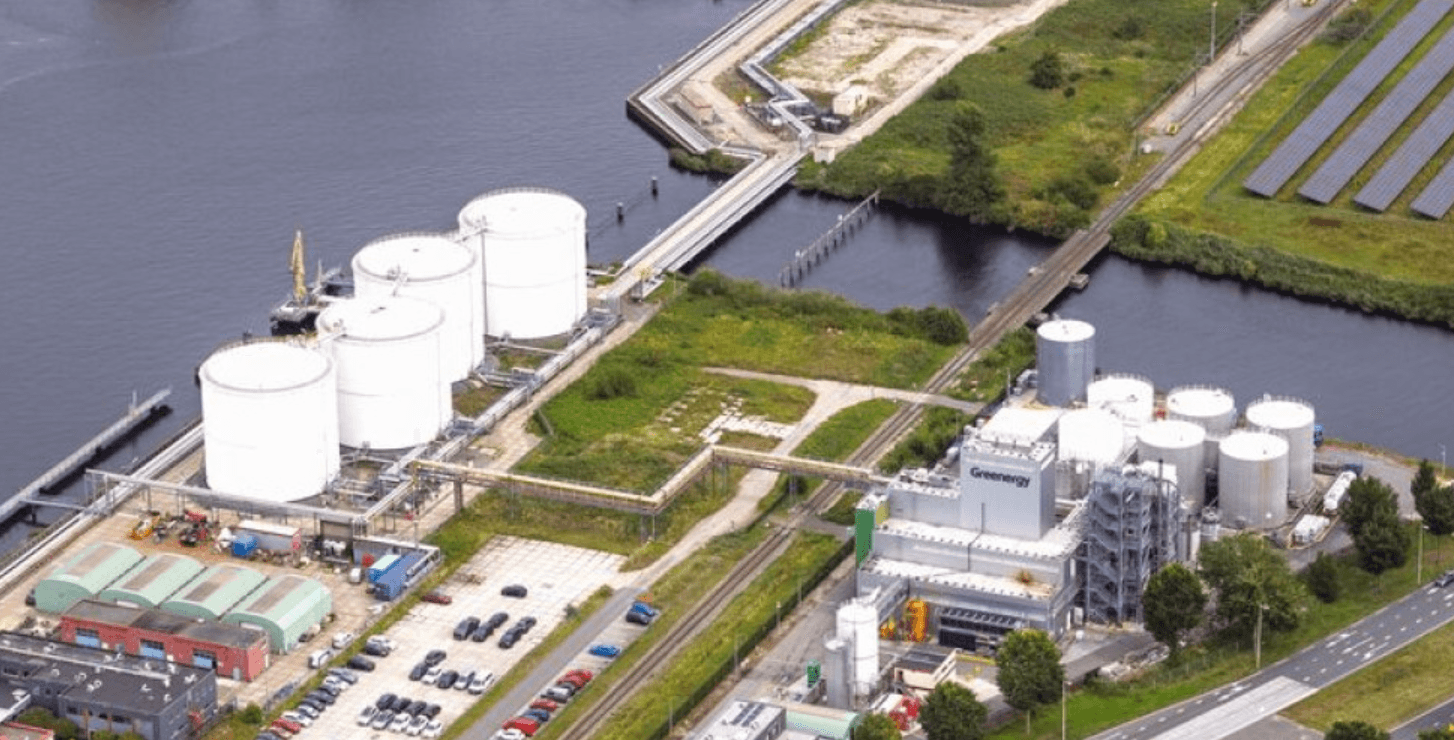
The Port of Amsterdam is actively developing its storage and infrastructure capabilities to support the growing market for renewable fuels. This expansion encompasses various types of sustainable energy carriers, such as green methanol, BioLNG, and other advanced biofuels. The port has reported handling a substantial volume of these renewable liquids, reaching 7.9 million tonnes.
This strategic move is designed to establish new logistics chains that connect producers, terminal operators, bunker suppliers, and shipping clients within the evolving renewable energy sector. By enhancing its capacity for these fuels, Amsterdam aims to solidify its position as a key hub for sustainable maritime and inland shipping operations.
For freight forwarders and logistics professionals, this development signifies an increasing availability of sustainable bunkering solutions in a major European port. This could lead to more options for carriers seeking to reduce their carbon footprint, potentially influencing vessel deployment and routing decisions for environmentally conscious shippers. The growth in green fuel infrastructure may also contribute to the long-term stability and competitiveness of sustainable supply chains operating through the port.
The article indicates that the port's focus is on creating integrated logistics chains, suggesting a continued push towards facilitating the entire supply process for renewable fuels.