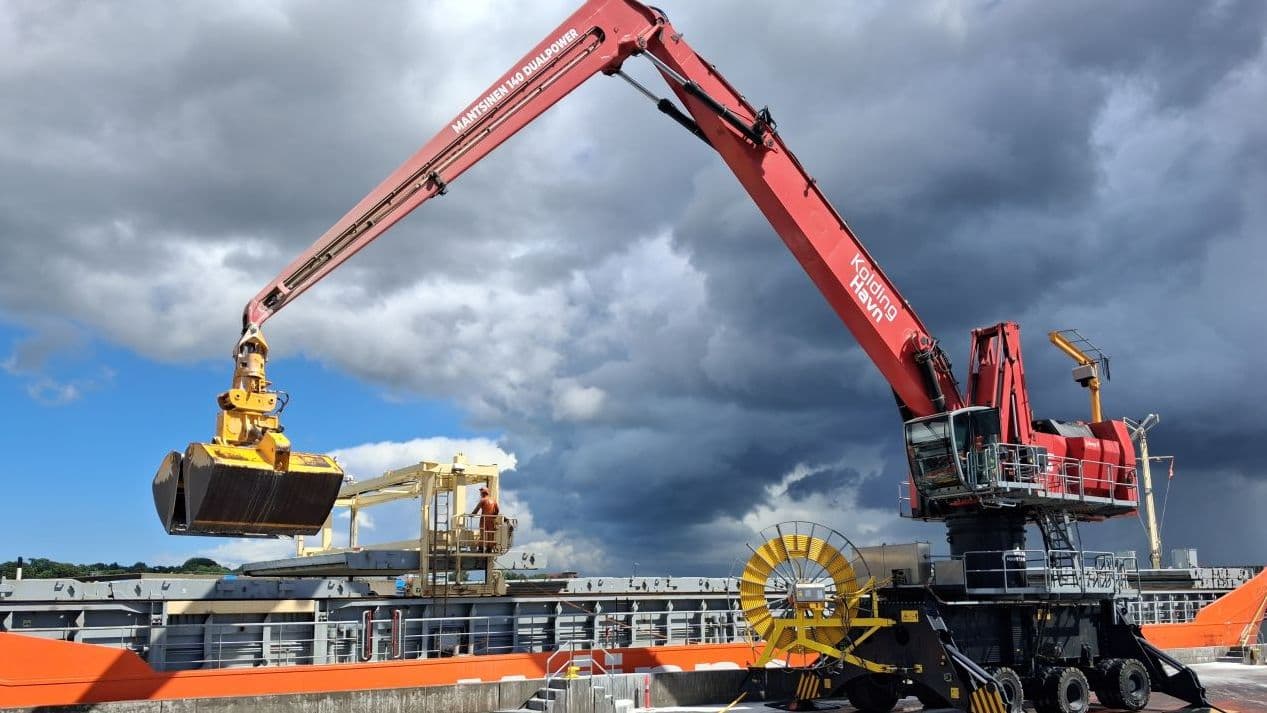
Improving vessel turnaround times within ports is a shared responsibility, necessitating close cooperation among port authorities, terminal operators, and ocean carriers. Each entity contributes significantly to the overall efficiency of port calls. Port authorities are responsible for managing overall port infrastructure, navigation, and regulatory frameworks. Terminal operators handle the physical loading and unloading of cargo, berth allocation, and yard management. Ocean carriers, in turn, must provide accurate vessel arrival information, optimize stowage plans, and ensure timely communication.
For freight forwarders and shippers, enhanced port efficiency translates directly into improved schedule reliability and reduced transit times. Faster turnarounds can mitigate port congestion, which often leads to unforeseen delays, demurrage charges, and disruptions to supply chains. When vessels spend less time in port, carriers can maintain more consistent schedules, allowing forwarders to better plan their inland logistics and meet delivery commitments. Conversely, inefficiencies can result in increased operational costs for carriers, which may be passed on to shippers through higher freight rates or surcharges.
Moving forward, continued investment in digital solutions, such as port community systems and real-time data sharing platforms, will be crucial. These technologies can facilitate better communication and coordination among all parties, enabling proactive decision-making and further optimizing vessel time in port. The industry's focus on sustainability also benefits from quicker turnarounds, as reduced idle times can lead to lower emissions from berthed vessels.