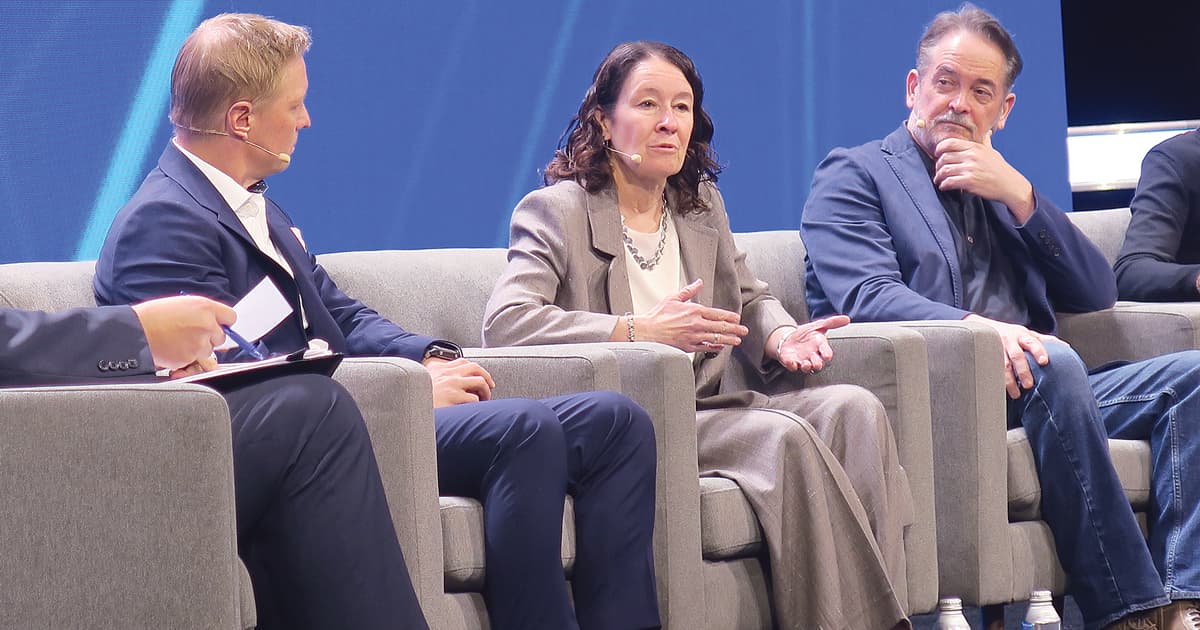
Werner Enterprises, a prominent player in the trucking sector, is currently facilitating freight movements for several autonomous vehicle (AV) developers. This involvement indicates a strategic interest in the future of self-driving trucks. However, Christopher Wikoff, the Chief Financial Officer of Werner, has underscored critical hurdles that must be addressed before this technology can be widely implemented across the industry.
The primary concerns revolve around economic viability and, more significantly, liability issues, especially those related to insurance. The current legal and insurance frameworks are not fully equipped to handle the complexities that arise from accidents involving autonomous vehicles, creating uncertainty about who bears responsibility. This ambiguity poses a substantial barrier to the large-scale deployment of AV trucks.
For freight forwarders and operations managers, the widespread adoption of autonomous trucks could eventually lead to increased capacity, potentially more consistent transit times, and a reduction in operational costs due to lower labor requirements. However, until the economic model is proven and, crucially, the insurance and liability questions are definitively answered, the immediate impact on day-to-day operations will be limited. Forwarders should monitor developments in regulatory and insurance landscapes as these will dictate the pace of integration.
Moving forward, the industry will need to see clear regulatory guidance and innovative insurance solutions to mitigate the risks associated with autonomous trucking. Resolving these issues is essential for the technology to transition from pilot programs to a scalable, commercially viable solution for the logistics sector.