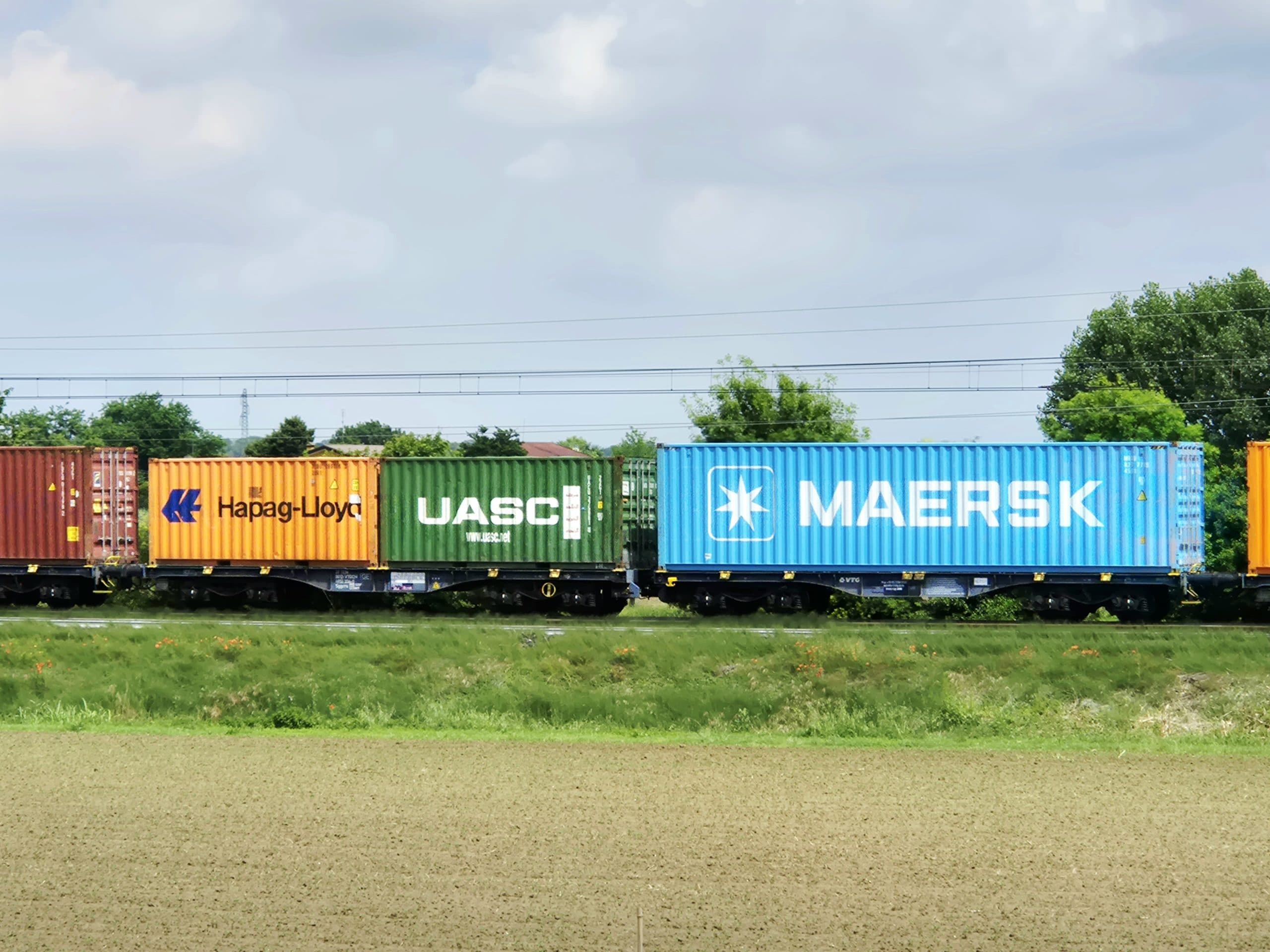
The growth of intermodal rail services in Poland is heavily reliant on strategic investments in infrastructure. Industry experts highlight that while intermodal transport is currently a key growth area, its continued expansion requires enhanced terminal capabilities and improved last-mile rail connections. The current infrastructure often struggles to support the increasing volume, leading to bottlenecks and inefficiencies.
For freight forwarders and operations managers, this situation implies potential constraints on capacity and schedule reliability for rail shipments within and through Poland. Without these crucial infrastructure upgrades, the cost-effectiveness and transit times of intermodal solutions could be negatively impacted. Forwarders may face challenges in securing consistent rail slots and ensuring timely delivery, particularly for cargo moving to or from inland terminals.
Future developments are expected to focus on modernizing existing rail lines and constructing new ones, alongside expanding and upgrading intermodal terminals. These improvements are essential to facilitate smoother cargo flows and better integrate rail into broader supply chains, ultimately supporting more efficient and reliable intermodal services.