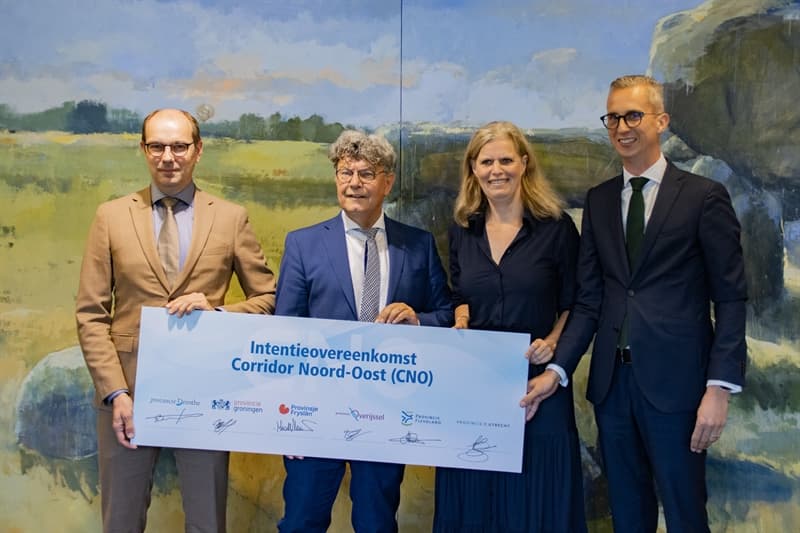
The northern provinces of the Netherlands are making concerted efforts to boost their share of rail freight, which has historically been concentrated on major routes like the dedicated Betuwe Line connecting to Germany. This strategic shift aims to decentralize rail freight operations and utilize under-tapped capacity in the northern part of the country.
Currently, the vast majority of Dutch rail freight movements are confined to a few key corridors, leading to potential bottlenecks and limiting the economic development of other regions. By promoting rail freight in the north, authorities hope to create a more balanced and resilient national logistics network.
For freight forwarders and logistics operators, this development could open up new routing options and potentially reduce transit times for cargo destined for or originating from the northern Netherlands. It may also lead to increased competition and improved service offerings in these areas, offering alternatives to road transport and alleviating congestion on existing rail lines. Forwarders should monitor infrastructure developments and new terminal openings in these regions for potential operational advantages.
Future plans include exploring upgrades to existing rail infrastructure and potentially developing new intermodal facilities to support increased freight volumes. The success of this initiative will depend on collaboration between regional governments, rail operators, and private logistics companies to establish viable and attractive rail freight services.