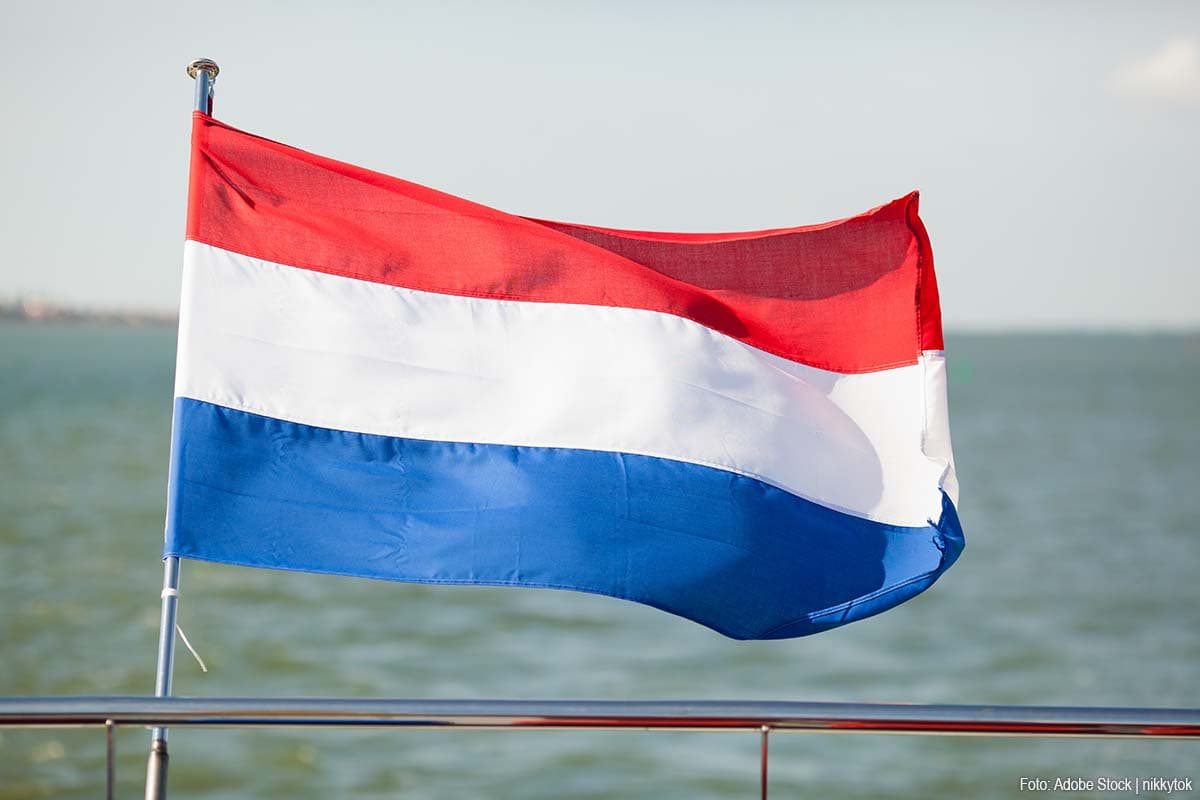
The Netherlands has experienced a decline in its ranking on the Paris Memorandum of Understanding (MoU) White List for port state control, moving from fourth place in 2024 to ninth. This shift is notable because, concurrently, the number of detentions involving Dutch-flagged ships has significantly decreased. The Royal Association of Netherlands Shipowners (KVNR) explains that this apparent contradiction is due to a revised evaluation methodology employed by the Paris MoU.
Historically, the ranking primarily focused on the detention rate of a country's fleet. However, the updated system now places greater emphasis on the total number of inspections conducted on a flag state's vessels. This means that even with fewer detentions, a country might see its ranking fall if its ships are inspected less frequently compared to others, or if the overall inspection landscape has changed. The KVNR suggests that this methodological change is the primary driver behind the Netherlands' lower position, rather than a decline in the safety or compliance of its fleet.
For freight forwarders and logistics professionals, this development primarily serves as an informational update regarding flag state performance. While a lower ranking on the White List might theoretically signal increased scrutiny for Dutch-flagged vessels in some ports, the accompanying reduction in actual detentions suggests that operational impacts are likely minimal. Shippers using Dutch-flagged carriers should not anticipate significant delays or increased risks based solely on this ranking change, as the underlying safety performance appears to be stable or improving. The focus remains on ensuring vessels meet international safety and environmental standards, regardless of the statistical methodology used for ranking.