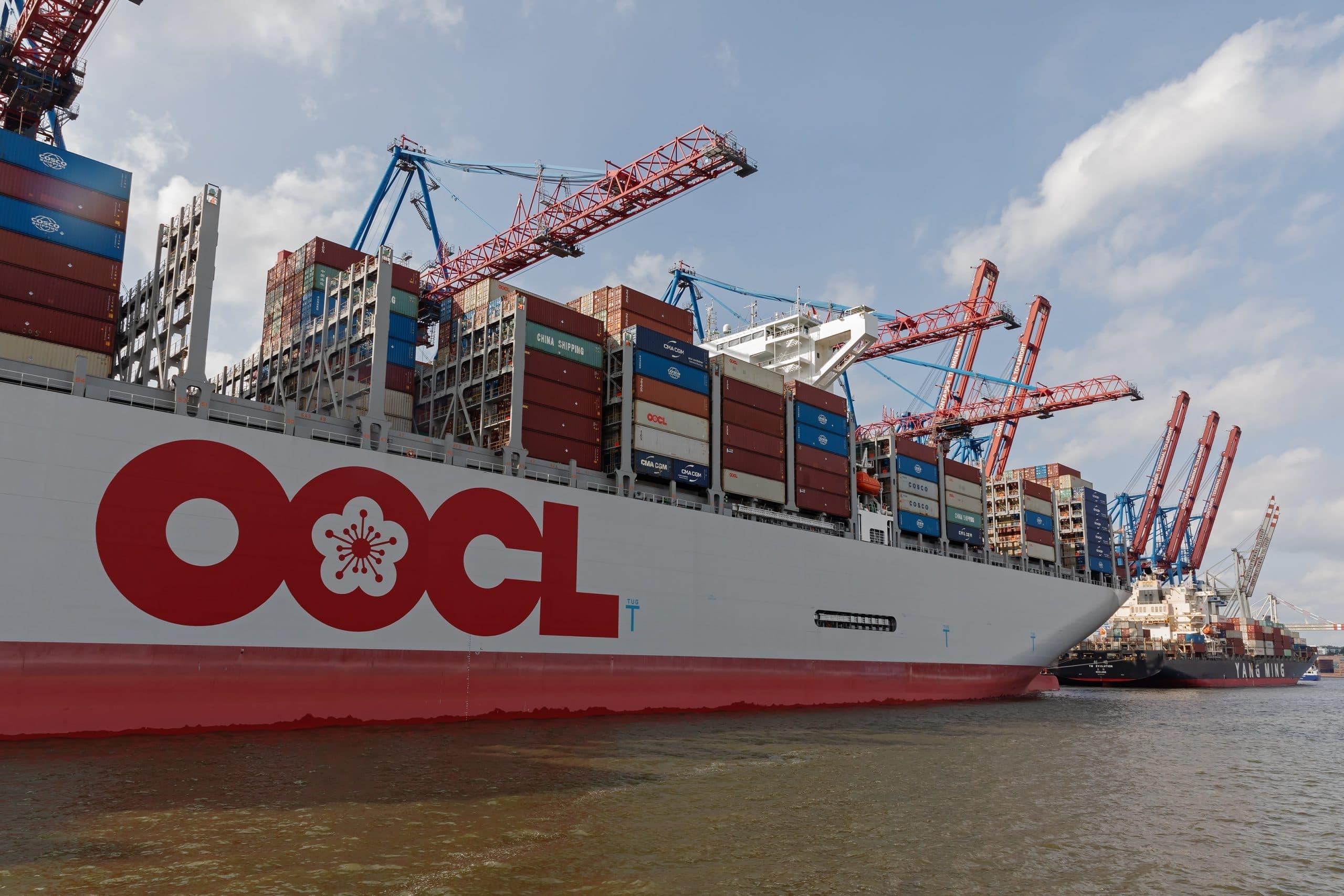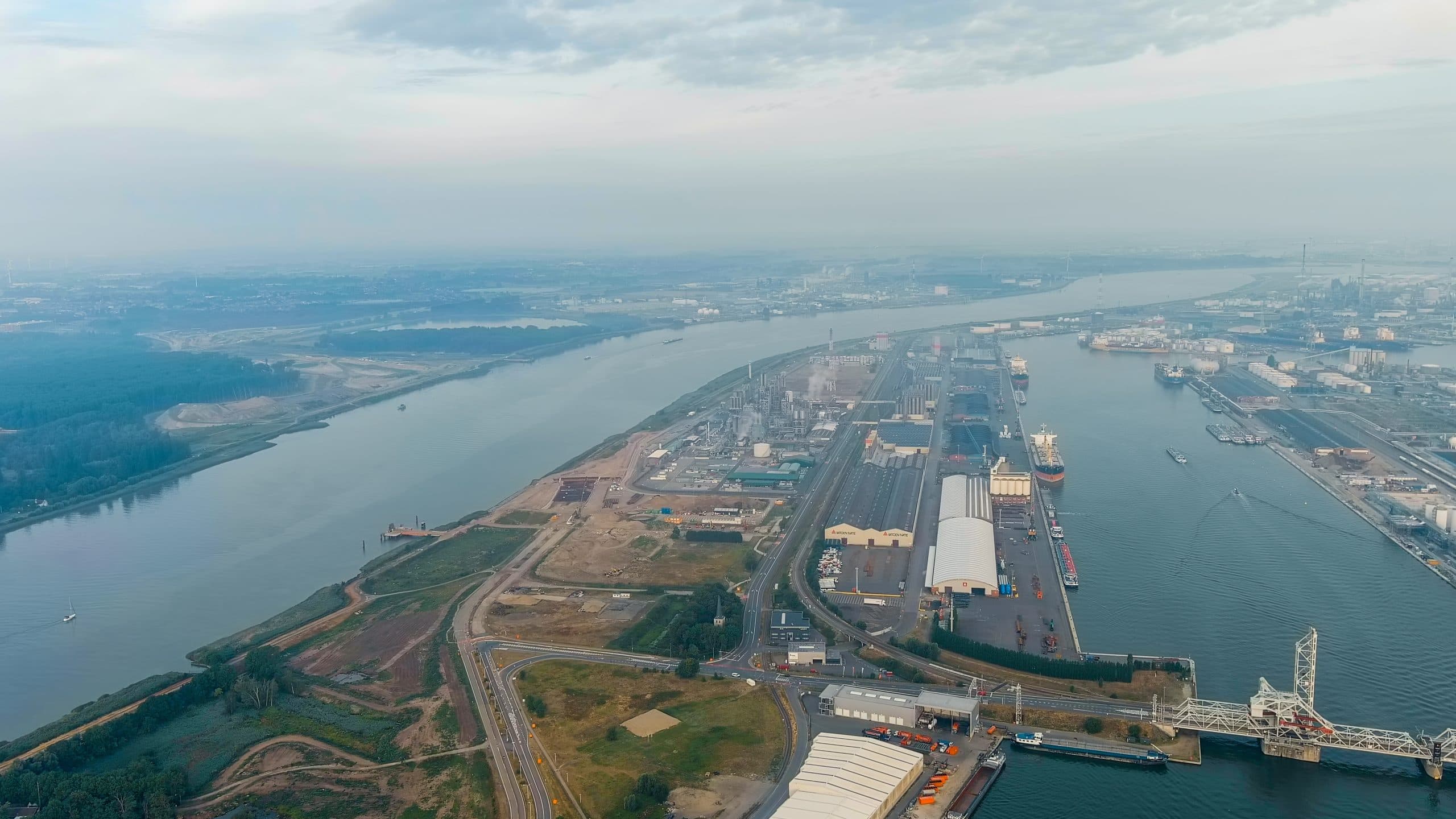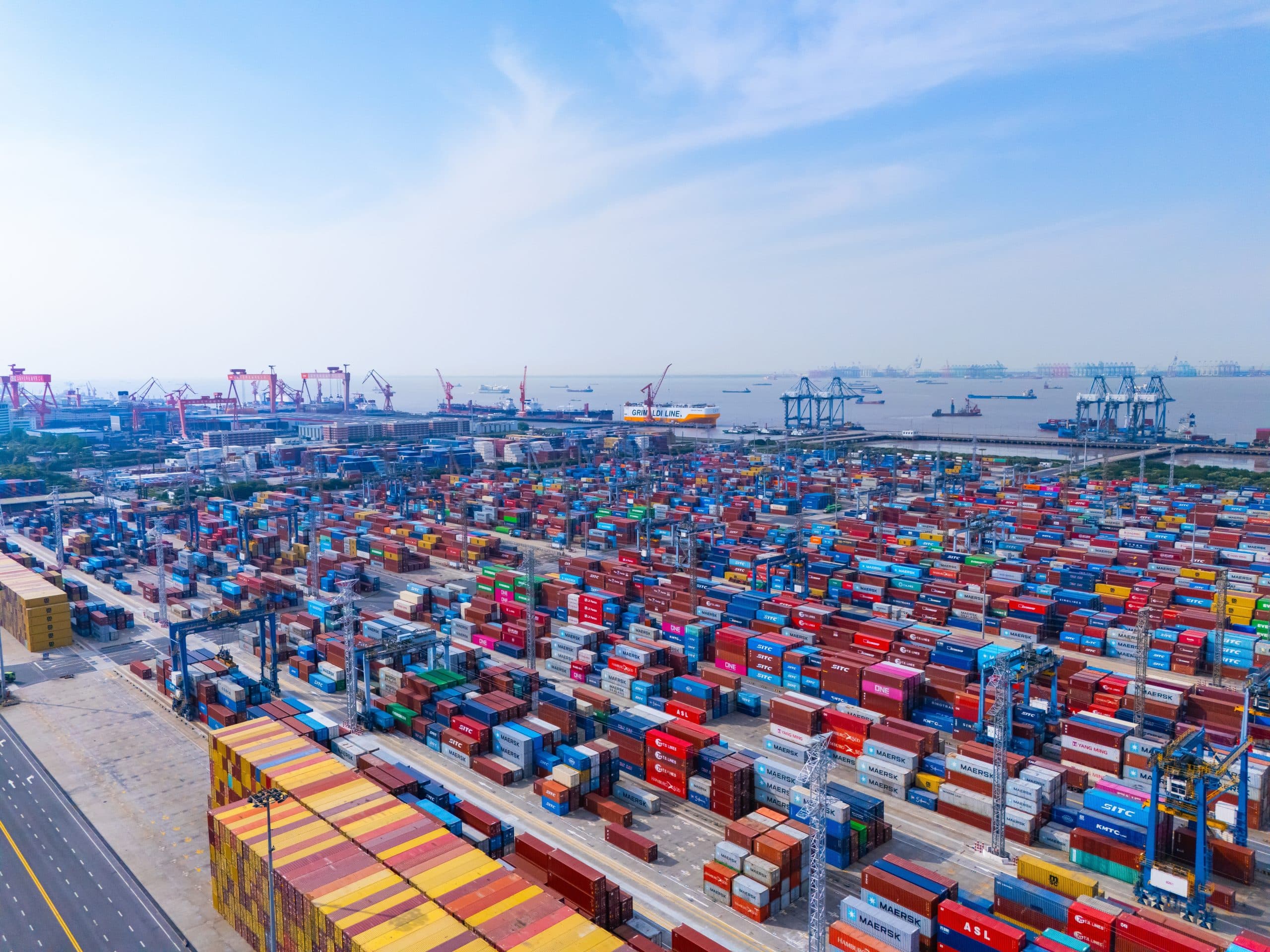
Alphaliner's latest analysis reveals that the top 30 global container port rankings have undergone significant changes during the first half of 2026. This shift is primarily attributed to ongoing geopolitical instability in the Middle East, which has affected shipping routes and schedules. Additionally, evolving US trade policies, including the anticipation of new tariffs, prompted shippers to expedite cargo movements, further influencing global container traffic patterns.
For freight forwarders and operations managers, this means potential shifts in preferred port calls and increased volatility in trade lanes. The urgency to move cargo ahead of tariffs likely created short-term surges in specific corridors, while Middle East disruptions continue to necessitate re-routing and longer transit times. Forwarders should monitor these developments closely to anticipate capacity constraints, potential delays, and rate fluctuations on affected routes, particularly those connecting Asia, the Middle East, and North America.