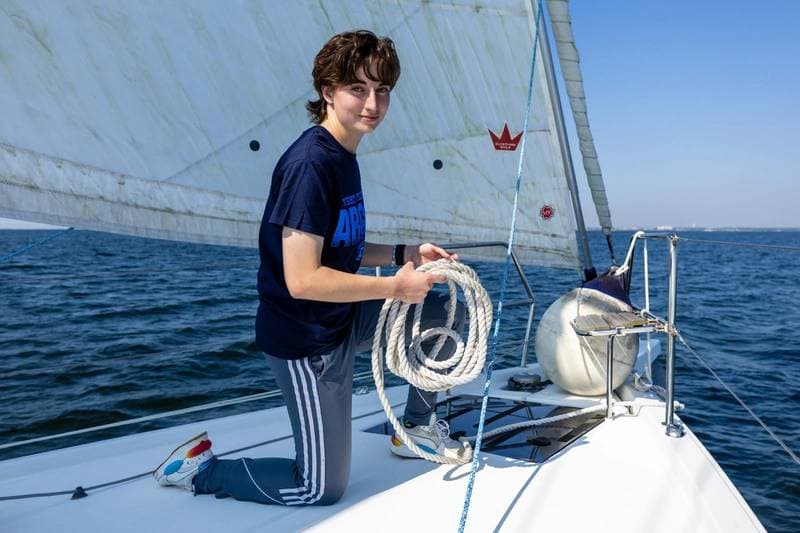
The maritime industry is currently experiencing a notable talent shortage, a challenge that some analysts suggest is partly self-inflicted. A key factor contributing to this deficit is the industry's potential failure to adequately leverage the skills and experience of a large pool of professionals, particularly women, who have previously worked in the sector or possess relevant expertise.
Historically, the maritime industry has struggled with diversity and inclusion, often leading to a disproportionate loss of female talent. Many experienced women leave the sector due to various factors, including a lack of career progression opportunities, work-life balance issues, or perceived biases. This exodus exacerbates the overall talent gap, as valuable knowledge and skills are lost.
For freight forwarders and operations managers, this talent shortage can translate into several challenges. A scarcity of skilled professionals within carriers and port operations may lead to reduced service quality, slower response times, and increased operational inefficiencies. This could impact schedule reliability and the overall smooth flow of goods, potentially causing delays and higher costs for shippers. Forwarders might also find it harder to recruit experienced staff, leading to increased training burdens and a less experienced workforce. Addressing this issue requires the industry to focus on more inclusive recruitment practices, flexible working arrangements, and clear career development paths to attract and retain a diverse talent pool.
Moving forward, the maritime sector needs to implement proactive strategies to re-engage and retain experienced professionals. This includes fostering a more inclusive work environment, offering competitive benefits, and providing opportunities for continuous professional development. By doing so, the industry can tap into an underutilized talent pool, enhance its workforce capabilities, and mitigate the long-term impacts of the current skills shortage.