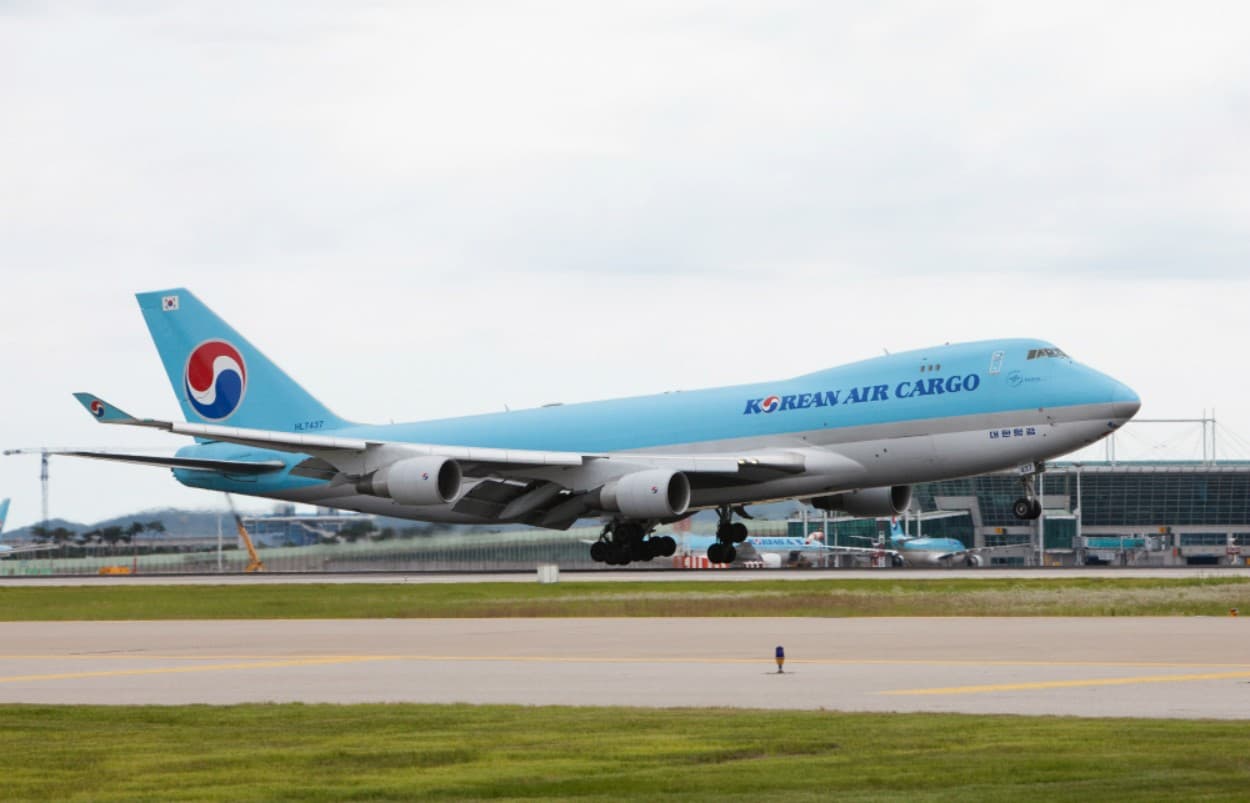
Korean Air is strategically enhancing its air cargo infrastructure by automating terminals at Incheon International Airport (ICN) and John F. Kennedy International Airport (JFK). This move is a direct response to the projected boom in demand for transporting AI server racks and semiconductors, particularly on trans-Pacific routes. The airline's preparations are underway as its merger with Asiana Airlines nears completion, which is expected to significantly expand its operational capabilities.
For freight forwarders and operations managers, this development signals potential improvements in cargo handling efficiency and capacity for high-value, time-sensitive electronics. The dual approach of leveraging increased belly capacity from a larger combined passenger fleet and maintaining a robust freighter network suggests greater flexibility and reliability for shipping AI-related components. This could lead to more stable transit times and potentially competitive rates for critical technology supply chains, especially for routes between Asia and North America.