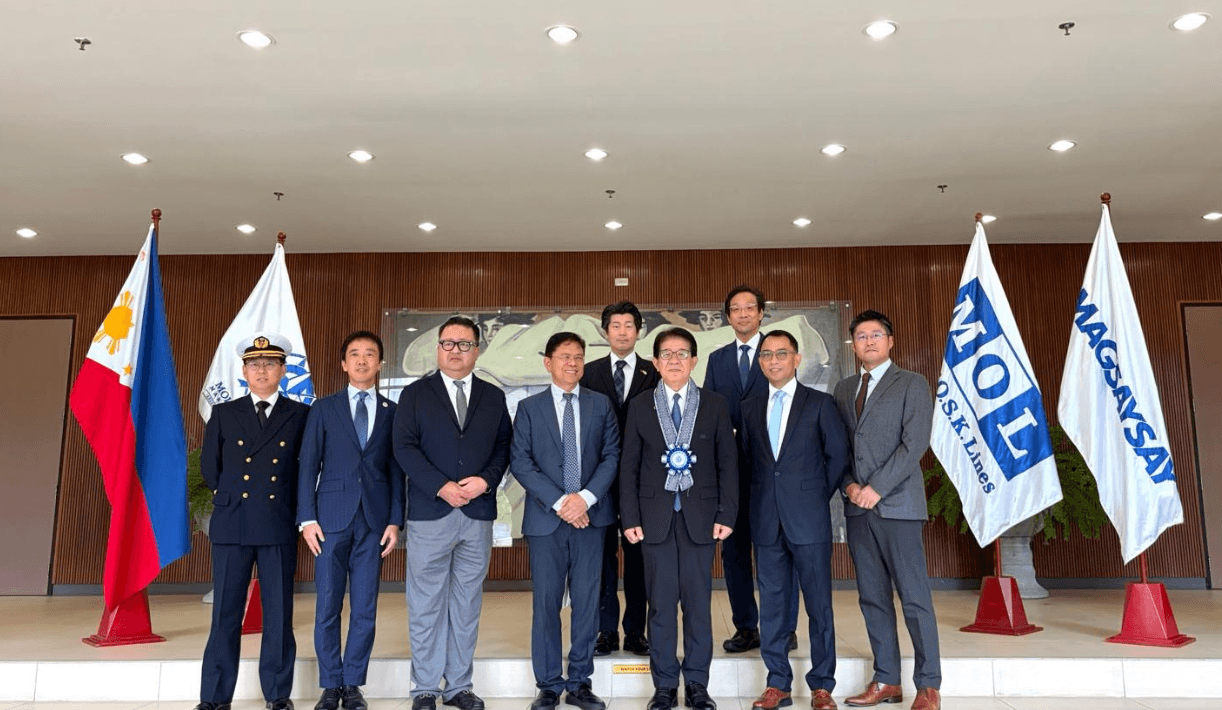
Japan's Minister of Land, Infrastructure, Transport and Tourism recently visited the Magsaysay MOL Marine Academy (MMMA) in the Philippines. This visit highlighted the ongoing collaboration between Japan and the Philippines in maritime education and training, aiming to develop a skilled workforce for the global shipping industry. The academy is expanding its programs to meet international standards, including the STCW Convention, and is notably increasing the number of female cadets, with 31 women currently in training.
This initiative comes as the shipping sector faces a continuous need for qualified seafarers to ensure safe and efficient vessel operations worldwide. The Philippines is a major source of global maritime talent, and investments in academies like MMMA are crucial for maintaining a steady supply of well-trained personnel.
For freight forwarders and operations managers, a robust supply of well-trained seafarers is vital for maintaining schedule reliability and operational efficiency. Shortages or inadequately trained crews can lead to delays, safety incidents, and increased operational costs, ultimately impacting cargo transit times and freight rates. Continued investment in maritime academies helps to mitigate these risks by ensuring a pipeline of competent officers and crew.
Future developments will likely focus on further integrating advanced maritime technologies into the curriculum and adapting training to meet evolving industry demands, such as those related to decarbonization and digitalization in shipping.