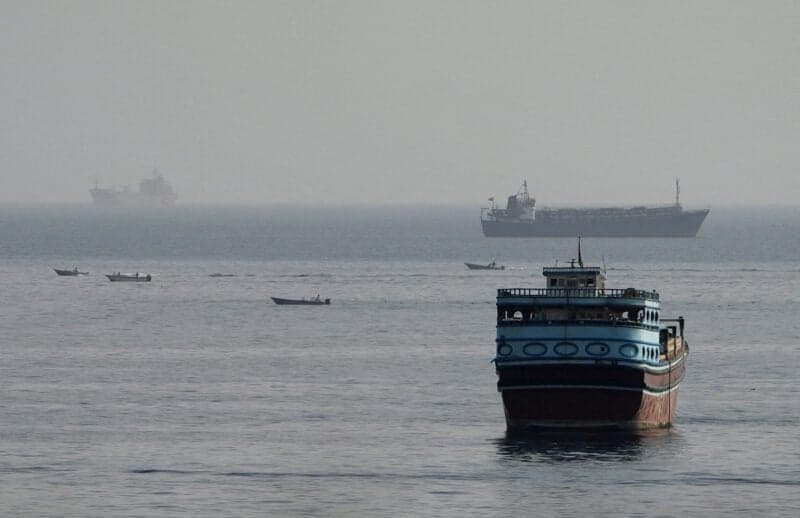
Iran and Oman have jointly announced a new framework designed to improve the safety and management of maritime traffic in the Strait of Hormuz. Key components of this agreement include the establishment of a temporary shipping corridor to streamline vessel movements and the initiation of collaborative mine-clearing operations to mitigate navigational hazards. Furthermore, both nations have committed to continued dialogue to address the long-term governance and security of this critical waterway.
This initiative follows a period of heightened tensions and security concerns in the region, which have impacted global shipping. The Strait of Hormuz is a vital chokepoint for international oil and gas shipments, and any disruption can have significant global economic repercussions.
For freight forwarders and shippers, this framework potentially signals a move towards greater stability and predictability in a crucial trade lane. Improved security measures, such as joint mine-clearing, could reduce the risk of incidents, potentially leading to more reliable transit times and possibly lower war risk insurance premiums. Enhanced cooperation between Iran and Oman may also foster a more secure environment, benefiting vessel operators and cargo owners by reducing operational uncertainties and safeguarding supply chain continuity. This could translate into more stable freight rates and better planning capabilities for shipments transiting the Strait.