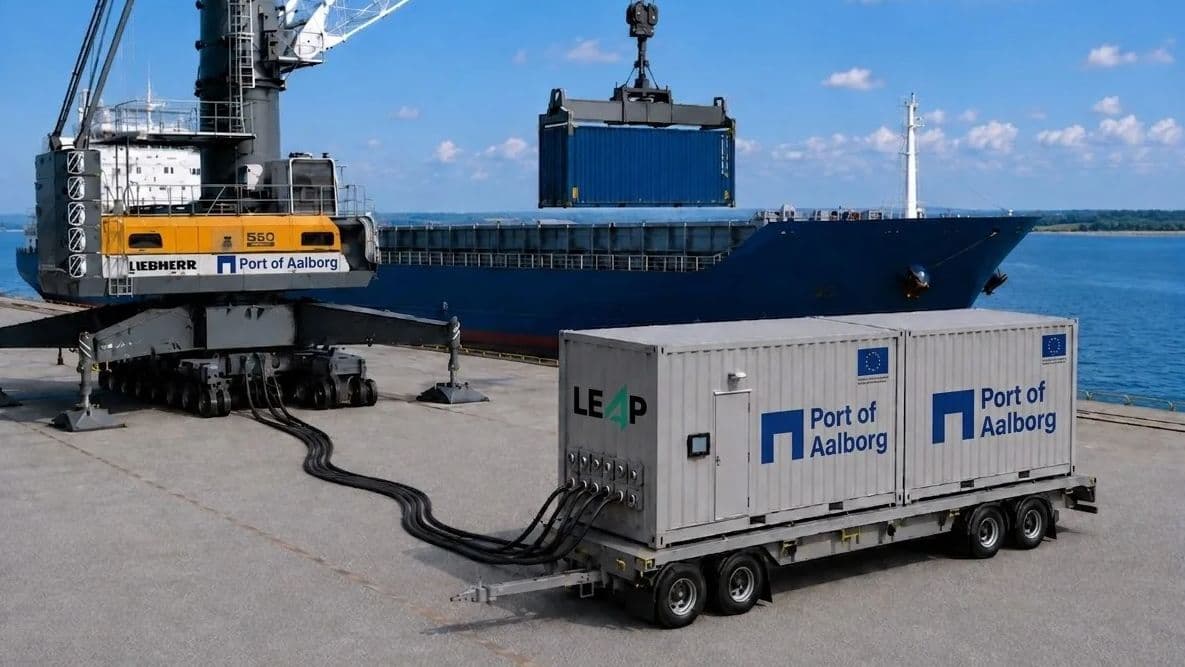
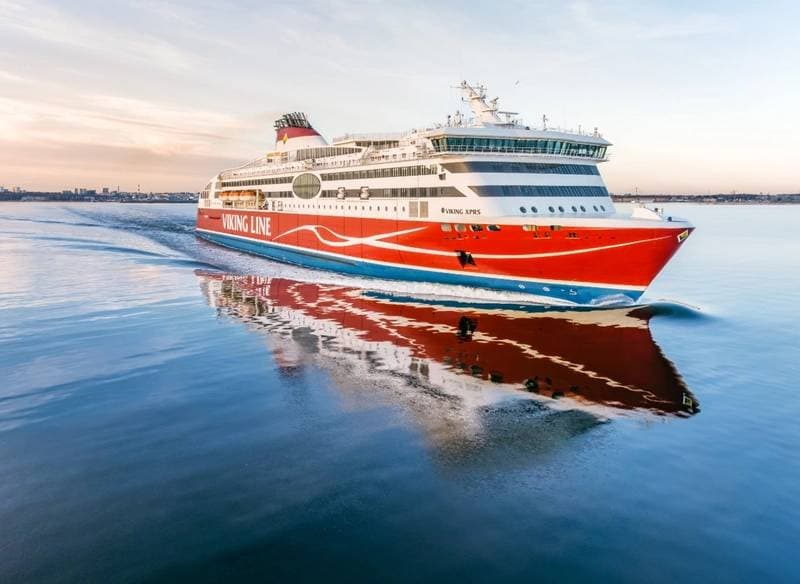
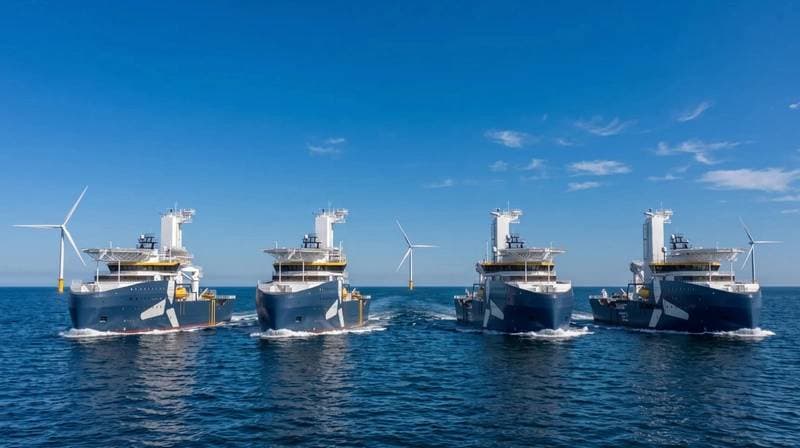
The European STEESMAT and ALL-DC-SHIPS projects have initiated a joint effort to accelerate the adoption of flexible direct-current (DC) power systems onboard vessels. This collaboration is designed to support the maritime sector's move towards low- and zero-emission operations. While conventional alternating-current (AC) systems are suitable for ships primarily powered by diesel engines, DC-based systems offer superior efficiency in integrating diverse energy sources, minimizing the need for multiple power conversions.
Professor Pietro Tricoli, Project Coordinator for ALL-DC-SHIPS at the University of Birmingham, emphasized that achieving low- and zero-emission shipping necessitates innovative onboard power systems that are compact, modular, and highly efficient. The combined expertise of both projects is expected to drive significant advancements in this area.
For freight forwarders and supply chain managers, this development indicates a long-term trend towards more sustainable vessel technologies. While immediate operational impacts are minimal, it highlights the industry's commitment to decarbonization, which could influence future fleet composition, vessel designs, and potentially the types of fuels and power infrastructure available at ports. Understanding these technological shifts is crucial for strategic planning, especially concerning future vessel capacity and routing options as the global fleet evolves.