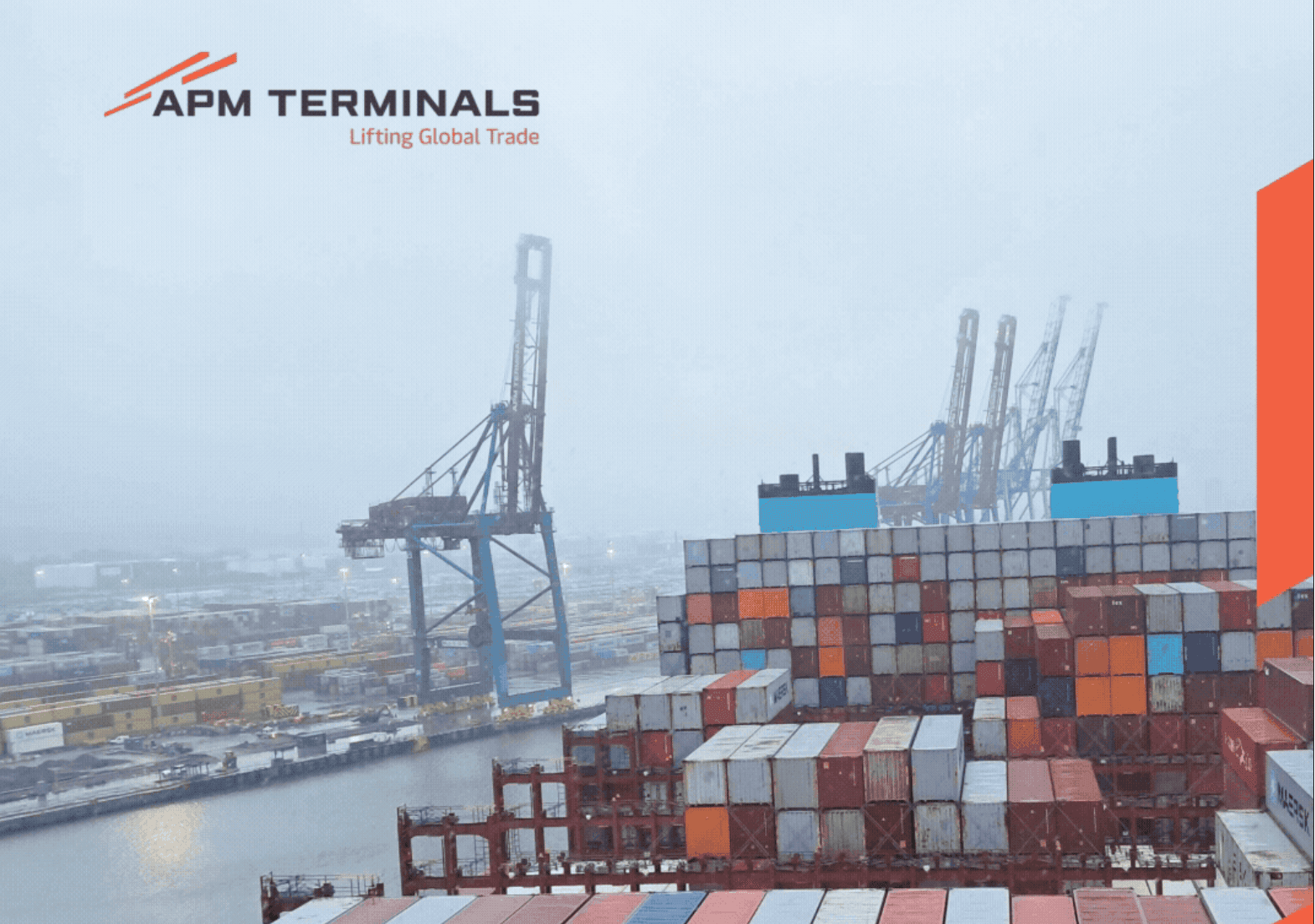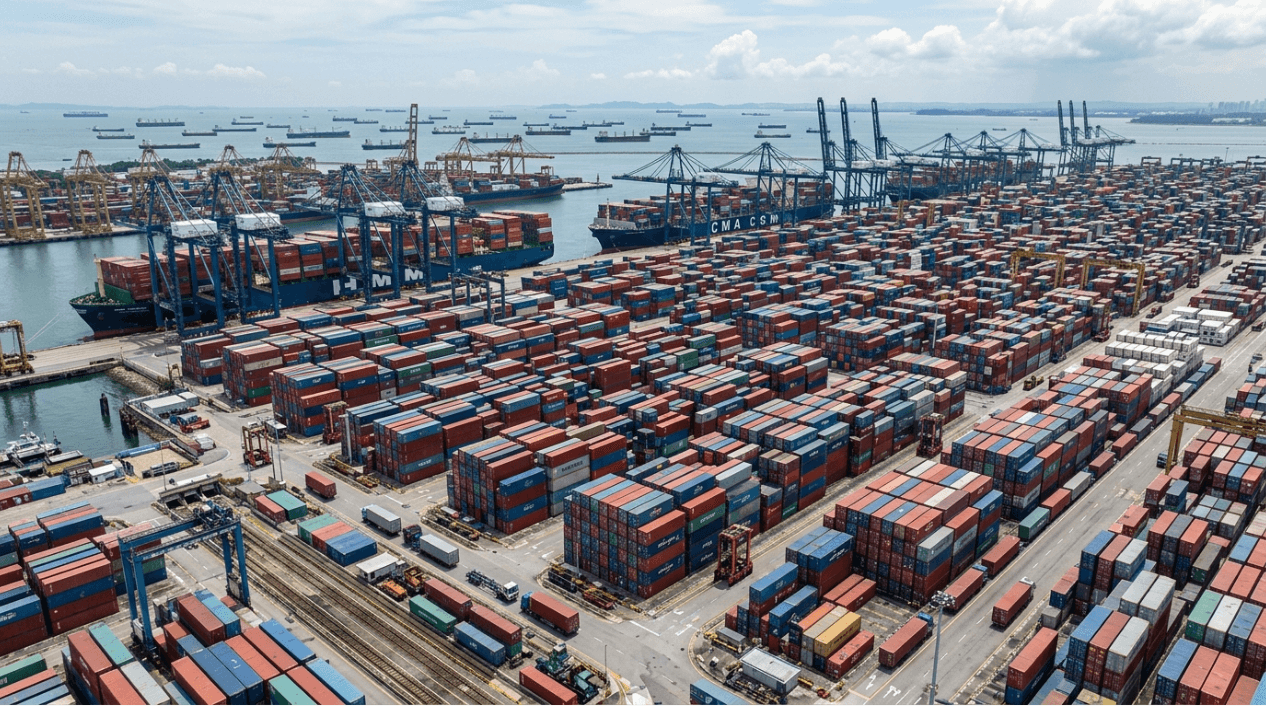
Global port congestion has escalated to an unprecedented 4.3 million TEU, exceeding the peak levels observed during the COVID-19 pandemic. This severe disruption is attributed to a combination of factors: typhoon-induced operational delays in key port regions, significant reductions in transit slots through the Panama Canal due to drought conditions, and the continued rerouting of vessels away from the Red Sea.
For freight forwarders and operations managers, this situation translates directly into heightened operational challenges and increased costs. Schedule reliability has dropped to approximately 60%, leading to unpredictable transit times and difficulties in planning. The surge in demand and constrained capacity have driven spot rates on Asia–US trade lanes past $10,000 per FEU, impacting budgeting and profitability for shippers. Forwarders must anticipate longer lead times, potential demurrage and detention charges, and consider alternative routing options, which may involve higher fuel costs and extended voyages. Capacity management and proactive communication with clients regarding delays and rate adjustments are critical.