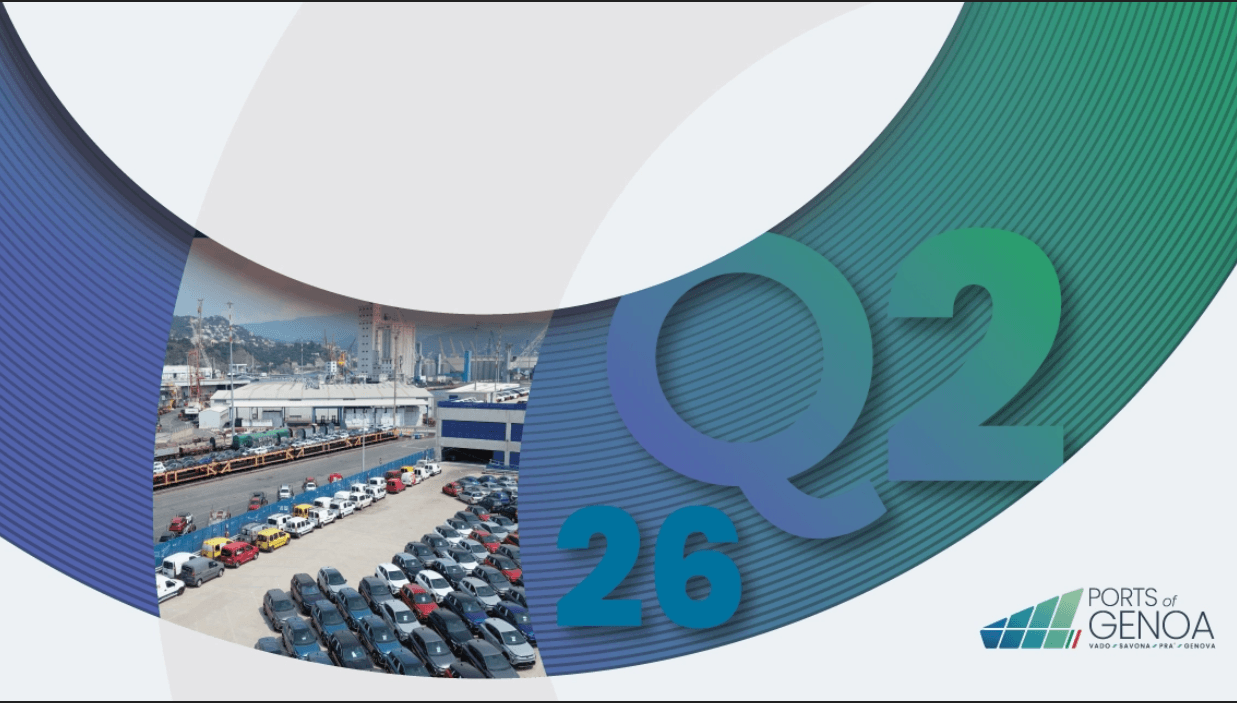
In the first half of 2026, the Ports of Genoa and Savona Vado observed a notable increase in gateway cargo and conventional freight. This growth was primarily fueled by a surge in container imports and an expansion in rail freight operations. The positive performance in these segments indicates a strengthening of direct trade and inland connectivity for the port system.
Conversely, the overall container throughput for Genoa and Savona Vado experienced a decline. This reduction was attributed to weaker transhipment volumes, where cargo is transferred between vessels rather than entering the local economy. While direct imports and exports are robust, the decrease in transhipment suggests a shift in how carriers are utilizing the port for hub operations.
For freight forwarders and logistics managers, the rise in gateway cargo signifies healthy demand for direct import and export services through Genoa and Savona Vado. The increased reliance on rail freight also points to improved intermodal options for inland distribution, potentially offering more efficient and environmentally friendly alternatives to road transport. However, the drop in transhipment volumes might impact carrier service offerings that rely on Genoa as a major relay point, potentially leading to adjustments in vessel rotations or feeder services. Forwarders should monitor these trends for potential changes in transit times or available capacity for transhipment-dependent routes.