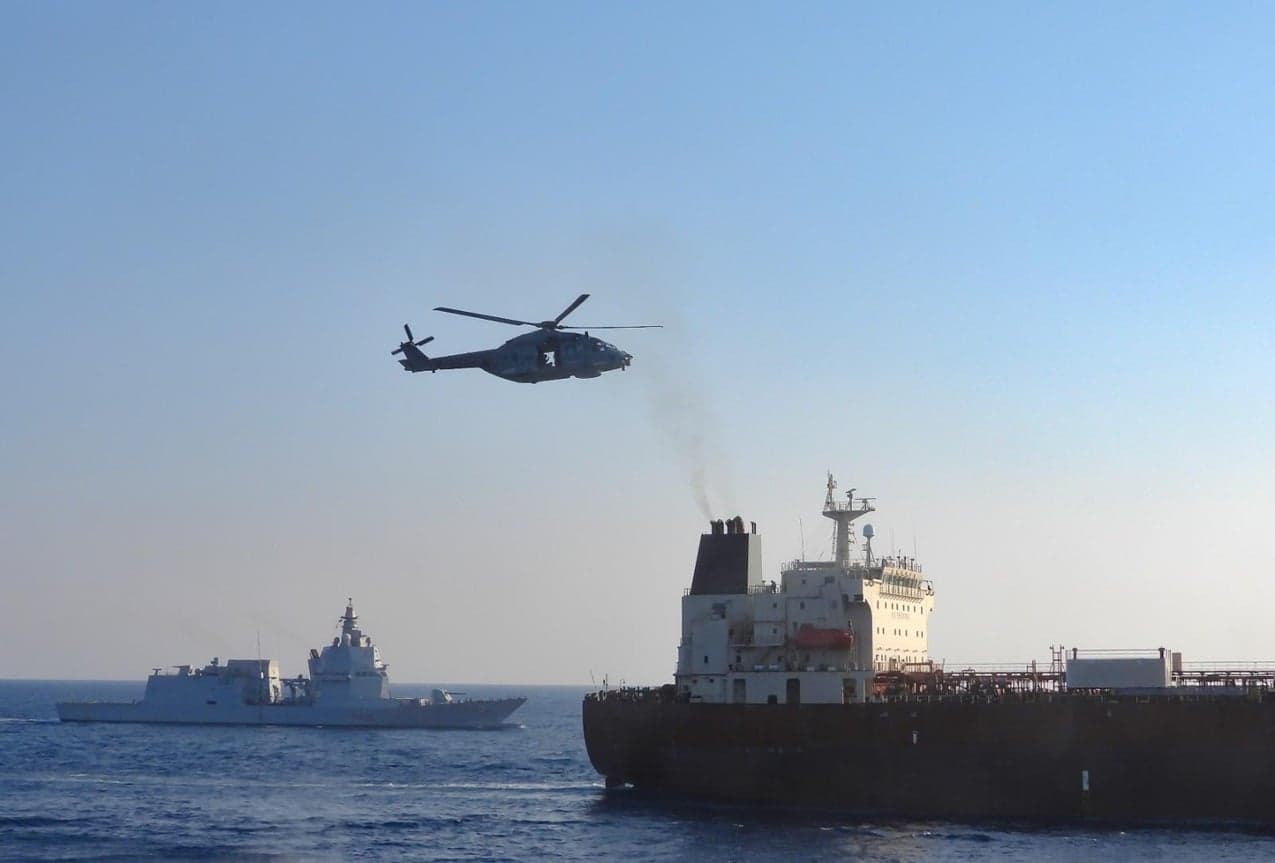
European Union naval forces have reportedly boarded another tanker believed to be part of Russia's 'shadow fleet' in the Mediterranean Sea. This incident marks the second such interception, signaling an intensified enforcement of sanctions against vessels suspected of facilitating the illicit trade of Russian oil. The EU is increasing its pressure on these operations, which aim to bypass international restrictions.
For freight forwarders and operations managers, this development indicates a heightened risk environment for any vessel potentially linked to sanctioned entities or activities. While this specific incident involves oil tankers, the broader implication is increased scrutiny and potential interdiction of vessels operating in the Mediterranean, particularly those with opaque ownership or questionable flags. This could lead to delays, diversions, or even seizure of cargo if a vessel is found to be in violation of sanctions, impacting supply chain reliability and requiring enhanced due diligence for vessel selection and route planning.
This action underscores the ongoing geopolitical tensions and the EU's commitment to enforcing its sanctions regime, particularly concerning Russia's energy exports. Such interdictions could contribute to tighter controls and more rigorous inspections across maritime trade routes, potentially affecting insurance premiums and operational costs for carriers and shippers alike.