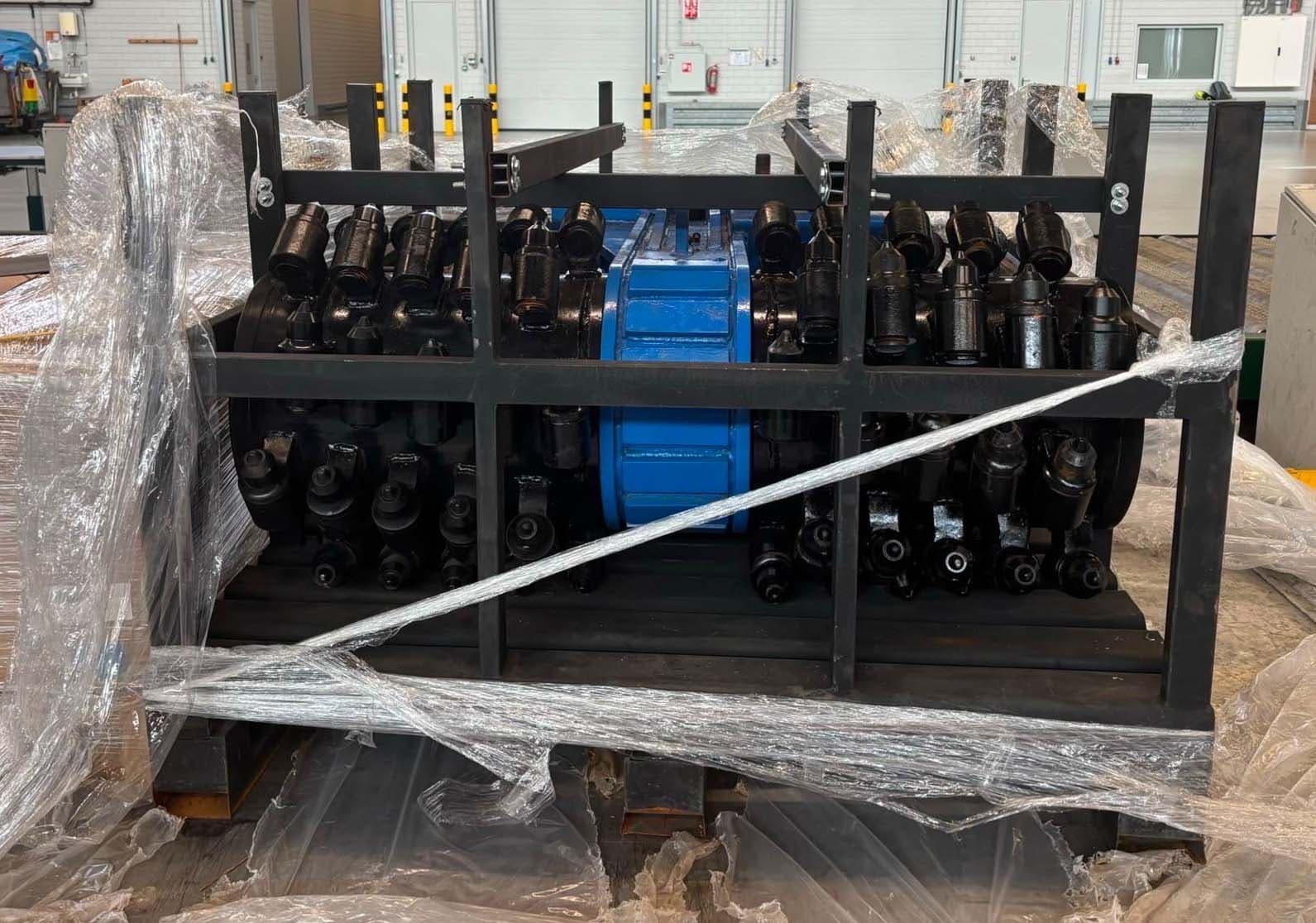
Dutch Customs officials at Schiphol Airport recently intercepted a significant quantity of cocaine, totaling 30.6 kilograms. The narcotics were cleverly concealed inside an attachment designed for excavators. This discovery was made during a routine scanning process of an air freight shipment that had originated in Panama and was en route to the Netherlands. The customs officers were alerted to the presence of the drugs due to unusual patterns detected during the scan.
For freight forwarders and logistics professionals, this incident highlights the ongoing challenges and risks associated with international cargo movements, particularly from regions known for drug trafficking. Enhanced vigilance and robust screening procedures remain critical for all inbound shipments. While this specific case involved air cargo, similar risks apply across all transport modes. Forwarders should be aware that such interceptions can lead to delays, increased scrutiny of future shipments from specific origins, and potential legal implications if their processes are deemed insufficient. It underscores the importance of stringent due diligence on shippers and consignees, as well as thorough documentation and cargo descriptions to mitigate risks and avoid becoming unwitting conduits for illegal activities.