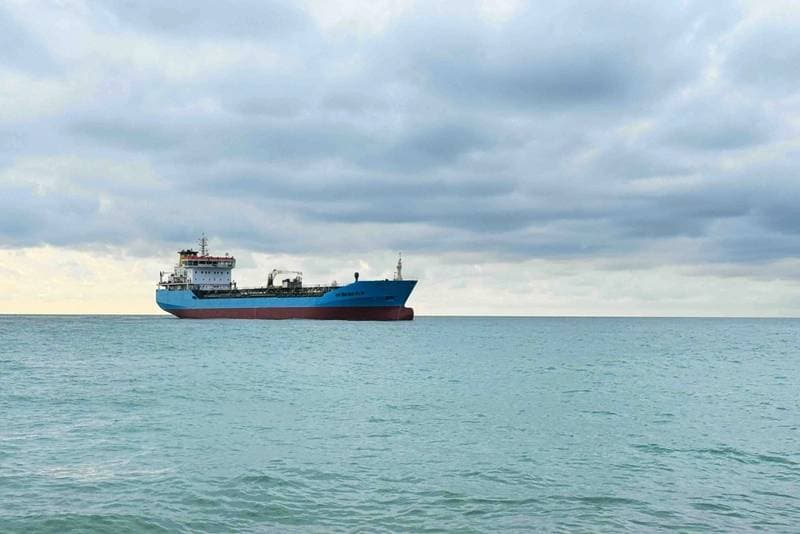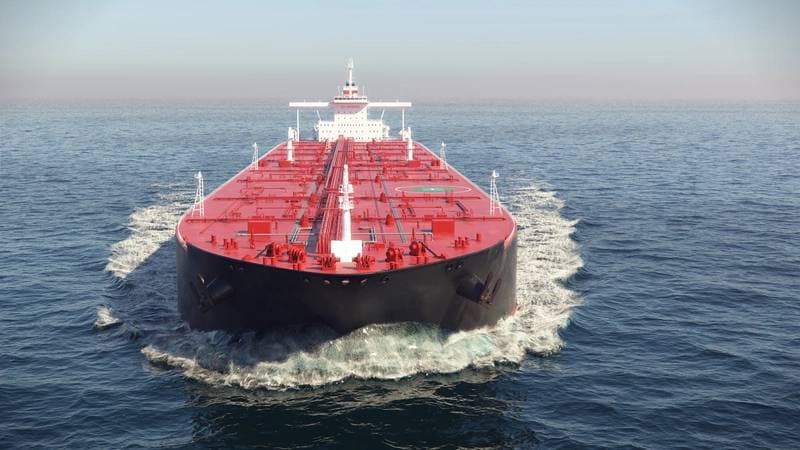
A notable divergence has appeared concerning the daily volume of crude oil exiting the Middle East through the Strait of Hormuz. The US Energy Secretary, Chris Wright, has stated that nearly nine million barrels per day are being exported. However, companies specializing in tracking vessel movements report figures that are approximately half of the government's estimate.
This discrepancy is significant because the Strait of Hormuz is a critical chokepoint for global oil supply, and accurate data on its throughput is essential for market analysis and energy security assessments. The difference in reported volumes could have implications for understanding global oil supply dynamics and the Middle East's role in meeting demand.
For freight forwarders and supply chain analysts, this data inconsistency means that projections based on official US figures for Middle Eastern oil exports might be inflated. This could affect assessments of tanker demand, routing decisions, and the overall stability of oil prices, which in turn influence bunker fuel costs and operational expenses for shipping. A lower actual volume could suggest tighter supply than officially indicated, potentially leading to upward pressure on oil prices.
The article does not specify what actions, if any, will be taken to reconcile these differing figures or if further investigations into the data sources are planned.