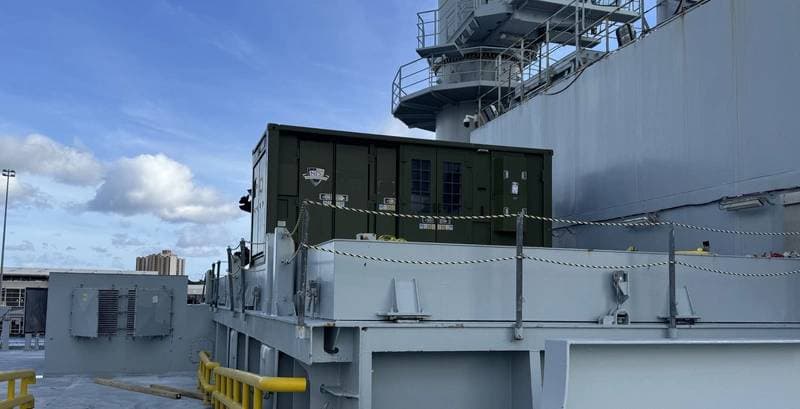
During RIMPAC 2026, a U.S.-led advanced manufacturing team successfully demonstrated the capability to produce mission-critical metal replacement parts directly aboard a vessel while underway. This achievement involved the first at-sea deployment of a SPEE3D cold spray manufacturing system. The technology allows for the rapid creation of metal components, which could significantly reduce reliance on shore-based supply chains for urgent repairs.
For freight forwarders and operations managers, this development suggests a potential shift in how spare parts logistics are managed for maritime assets. The ability to manufacture components on-demand at sea could decrease the need for expedited air or sea freight of critical spares, potentially impacting lead times and costs associated with vessel maintenance and repair. It could also reduce the inventory of spare parts that vessels need to carry, optimizing cargo space and weight. This innovation points towards a future where certain logistical challenges for naval and potentially commercial fleets could be mitigated through localized manufacturing.
While currently focused on military applications, the successful at-sea demonstration of cold spray 3D printing technology could eventually influence commercial shipping. It offers a glimpse into a future where vessels might be more self-sufficient in terms of maintenance, potentially leading to fewer port calls for minor repairs and improved operational uptime. Further development and commercialization would be necessary to see widespread adoption in the freight sector.