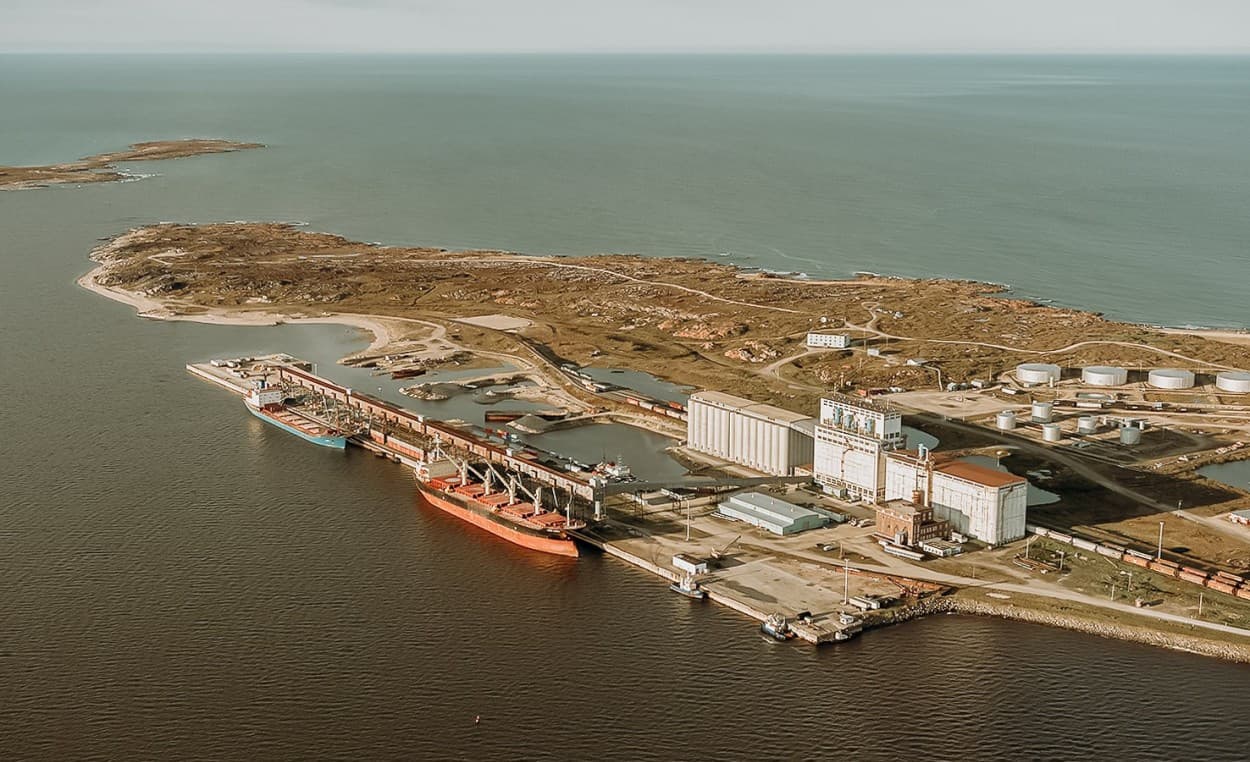
Recent studies have confirmed the feasibility of extending shipping operations at the Port of Churchill towards year-round service in the Arctic. This development is seen as a strategic move to bolster Canada's trade diversification efforts, particularly by leveraging the Arctic route for international commerce. However, achieving this ambitious goal will require substantial infrastructure enhancements.
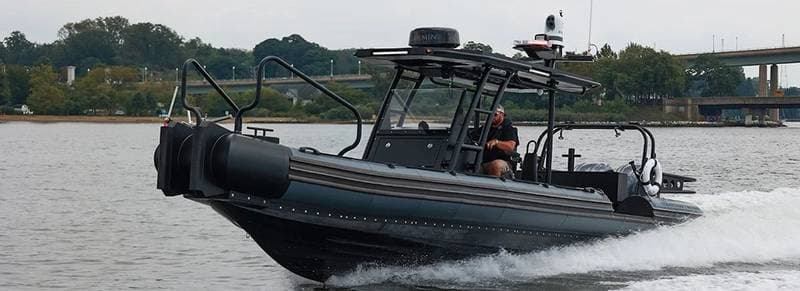
The proposed upgrades include the construction of an offshore LNG terminal, which would facilitate energy exports and potentially serve as a bunkering hub for Arctic voyages. Additionally, significant improvements to existing railway links are necessary to ensure efficient cargo flow to and from the port. The plan also calls for the deployment of a specialized fleet of ice-capable vessels, essential for navigating the challenging Arctic conditions throughout the year.
For freight forwarders and logistics professionals, the potential for year-round Arctic shipping from Churchill presents both opportunities and challenges. While it could offer a new, potentially faster trade route between continents, particularly for breakbulk and project cargo, it also implies higher operational costs due to specialized vessel requirements and the need for robust cold-chain logistics. Forwarders would need to assess the economic viability against traditional routes, considering factors like transit times, insurance premiums for Arctic navigation, and the reliability of supporting infrastructure. The development could also open new markets for Canadian exports and imports, requiring forwarders to adapt their network and service offerings.