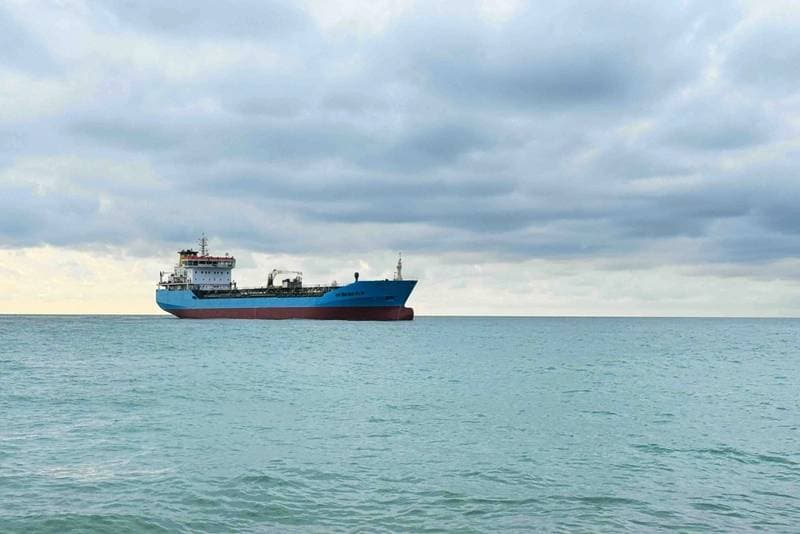
Chinese shipping companies are preparing for a significantly increased number of voyages along the Northern Sea Route (NSR) during the upcoming Arctic shipping season. At least six operators are reportedly planning to deploy vessels for both containerized and bulk cargo, connecting Chinese ports with destinations in Russia and, notably, expanding services to major ports in Western Europe. This anticipated surge in activity suggests a strategic shift towards utilizing the Arctic passage as a viable alternative or complement to traditional East-West trade routes.
For freight forwarders and supply chain managers, this development could offer new routing options, potentially reducing transit times between Asia and Europe compared to the longer Suez Canal route. However, it also introduces complexities related to ice-class vessel requirements, specialized insurance, and the inherent navigational challenges of Arctic waters. Capacity on these routes may increase, but the operational costs and specific vessel types needed could influence freight rates and service availability. Forwarders should monitor these developments closely to assess the viability and cost-effectiveness of Arctic routes for their clients' cargo, especially for time-sensitive or project cargo that can benefit from shorter distances.