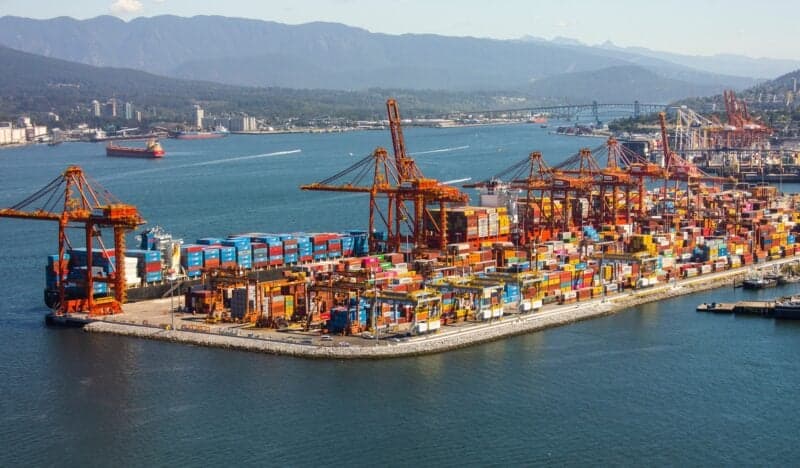
Canada's primary West Coast ports are strategically enhancing their capabilities to support the country's broader initiative of diversifying its international trade relationships beyond the United States. A new study highlights the critical role these ports can play in establishing new trade corridors, particularly with Asia-Pacific markets.
This strategic shift is driven by a desire to mitigate risks associated with over-reliance on a single trading partner and to capitalize on growing global trade opportunities. Investments in port infrastructure, logistics networks, and digital solutions are underway to improve efficiency and capacity.
For freight forwarders and shippers, this development could mean increased options for routing cargo, especially for goods moving between Asia and North America. It may lead to more competitive rates and potentially faster transit times by offering alternatives to traditional U.S. gateways. Forwarders should monitor capacity expansions and new service offerings from carriers utilizing these Canadian ports to optimize supply chain strategies.
Further initiatives are expected to focus on strengthening intermodal connections, including rail links, to ensure seamless cargo flow from the West Coast ports to inland Canadian and potentially U.S. destinations, thereby solidifying their position as viable alternatives for trans-Pacific trade.