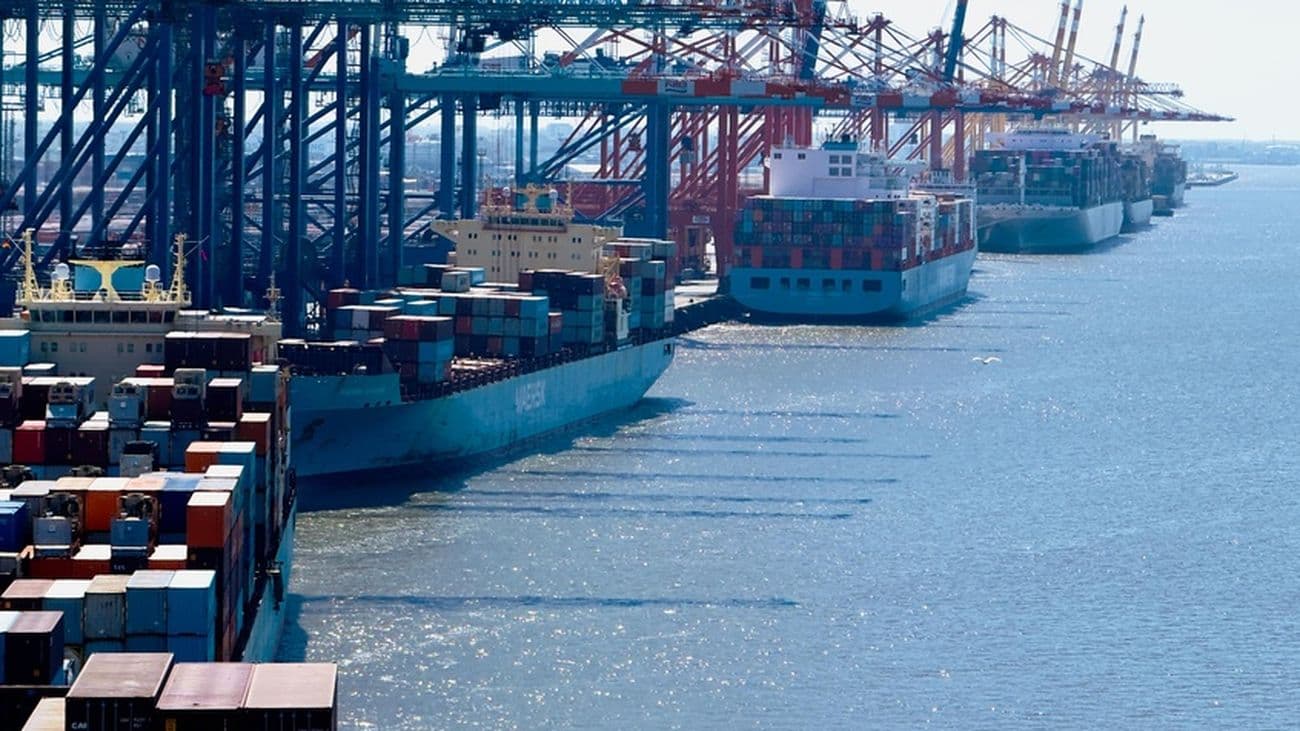
The port complex of Bremen and Bremerhaven has demonstrated robust performance, recording a notable increase in container throughput and overall cargo volumes. This positive trend positions Bremenports favorably within the European logistics landscape. Conversely, the Port of Hamburg, another major German maritime hub, experienced a downturn, with reductions in both its TEU (Twenty-foot Equivalent Unit) throughput and total cargo handled.
For freight forwarders and operations managers, this divergence in port performance could influence routing decisions and capacity planning. Increased volumes at Bremenports might lead to better schedule reliability and potentially more competitive rates for services calling there, assuming infrastructure can handle the growth without congestion. Conversely, reduced activity in Hamburg could free up capacity, but might also signal broader economic shifts impacting cargo flows through that port. Forwarders should monitor these trends to optimize their supply chain strategies, potentially diversifying port calls to leverage efficiencies or mitigate risks associated with single-port reliance.