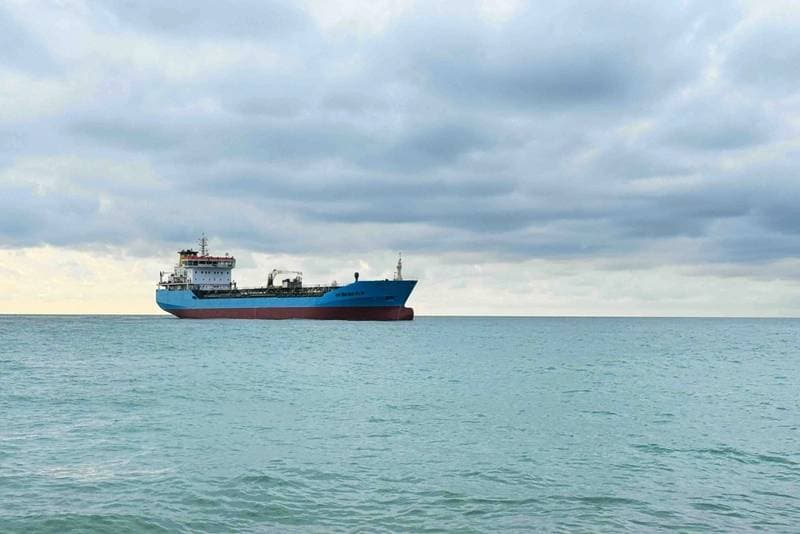
The Baltic Exchange's dry bulk freight index experienced its fourth consecutive daily increase on Tuesday, reaching a three-week high of 2,936 points, a rise of approximately 3.3%. This upward movement was significantly influenced by the capesize index, which saw a 4.7% surge, reaching its highest point since the specified date. Capesize vessels are typically employed for transporting large quantities of dry bulk commodities, such as 150,000-ton cargoes of iron ore and coal.
For freight forwarders and operations managers, this sustained increase in the Baltic Dry Index, particularly the capesize segment, suggests a tightening market for dry bulk shipping. This could lead to higher freight costs for commodities like iron ore and coal, impacting supply chain planning and procurement for industries reliant on these materials. Forwarders should anticipate potential rate adjustments and capacity constraints in the dry bulk sector, especially for large volume shipments.