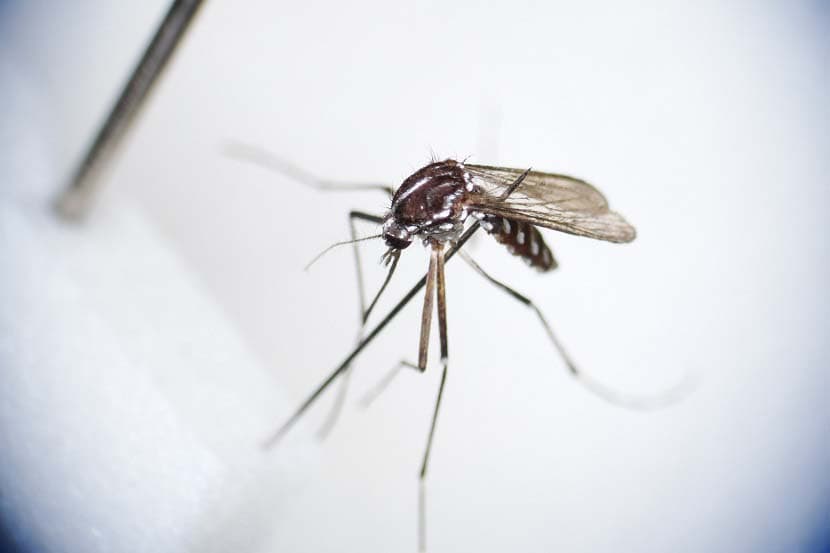
Recent DNA analysis has confirmed that the invasive Asian tiger mosquito (Aedes albopictus) is capable of surviving the winter months in specific areas of the Netherlands. The research further reveals that these mosquitoes are not arriving through a single pathway but are being introduced into the country multiple times, particularly at locations with high volumes of international freight and logistics activity. This new genetic tracking method provides the Dutch Food and Consumer Product Safety Authority (NVWA) with an improved tool to monitor and manage the spread of this species.
For freight forwarders and logistics operations managers, this development highlights potential new regulatory scrutiny or increased inspections at transport hubs. While not directly impacting rates or capacity, it could lead to additional administrative burdens or delays if specific cargo types or origins are identified as high-risk vectors for invasive species. Forwarders should be aware of potential biosecurity measures that might be implemented in response to these findings, especially concerning cargo originating from regions where the tiger mosquito is endemic.