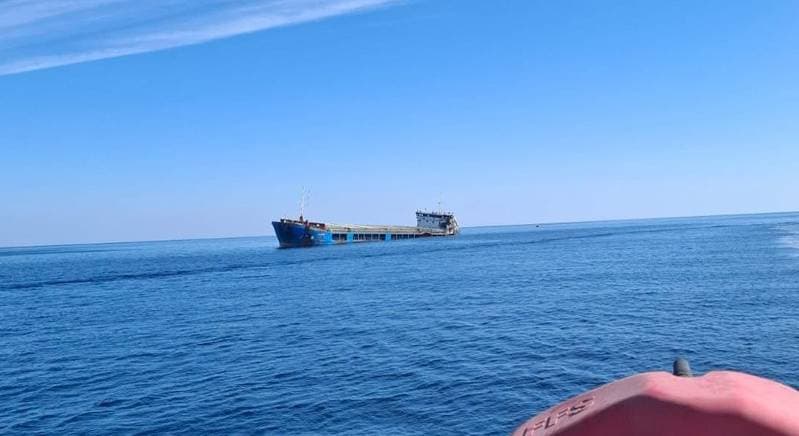
Wheat futures on the Chicago Board of Trade (CBOT) experienced an increase on Wednesday morning, driven by fresh disruptions impacting grain shipments from the Black Sea region. Reports indicated that Russian forces targeted two vessels, exacerbating fears regarding the stability and availability of global grain supplies.
This development follows ongoing tensions and military actions in the Black Sea, a critical corridor for agricultural exports, particularly from Ukraine and Russia. Previous agreements aimed at securing safe passage for grain have faced challenges and intermittent suspensions, contributing to market volatility.
For freight forwarders and logistics professionals, this situation signifies potential increases in commodity prices, especially for bulk agricultural goods. It may also lead to routing changes or increased demand for alternative shipping lanes and modes, impacting capacity and freight rates for dry bulk carriers. Shippers of grain and food products should anticipate higher procurement costs and potential delays.
Should these disruptions persist or escalate, the global food supply chain could face further strain, potentially influencing broader inflation and necessitating adjustments in sourcing and logistics strategies for international trade.